Role
UX Researcher
This case study explores the usability of Amazon Alexa among users with diverse accents and in varying noise conditions.
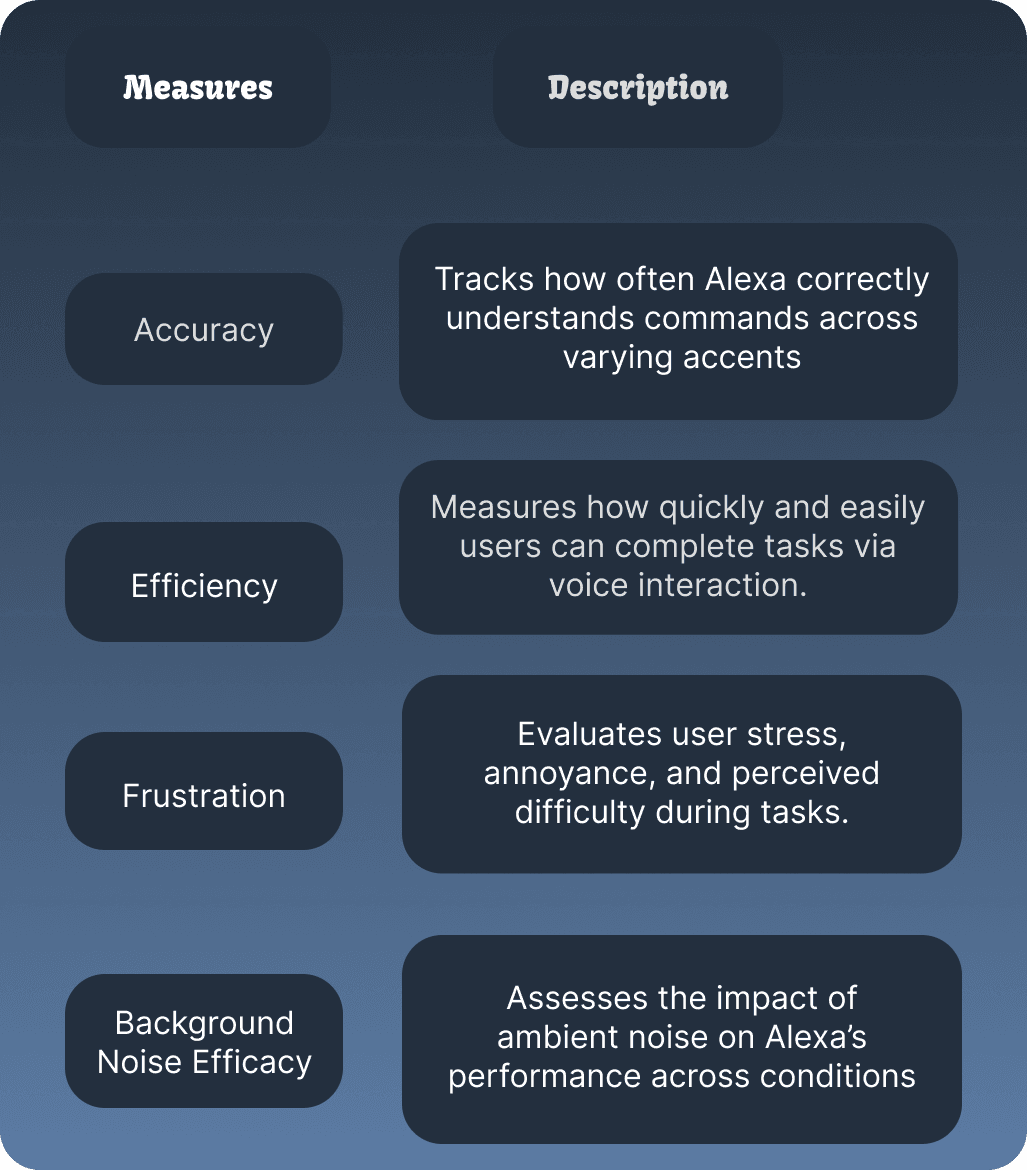
The goal was to understand how accent variation and background noise influence Alexa’s recognition accuracy, task efficiency, and user frustration, revealing the gap between the designer’s intent and real-world use.
Amazon Alexa is a voice-based assistant designed to make interaction effortless and performing tasks like setting reminders, controlling smart devices, and playing music.
While Alexa’s purpose is to feel natural and intelligent, the study revealed that real-world diversity — from accents to ambient sounds — significantly impacts user experience.
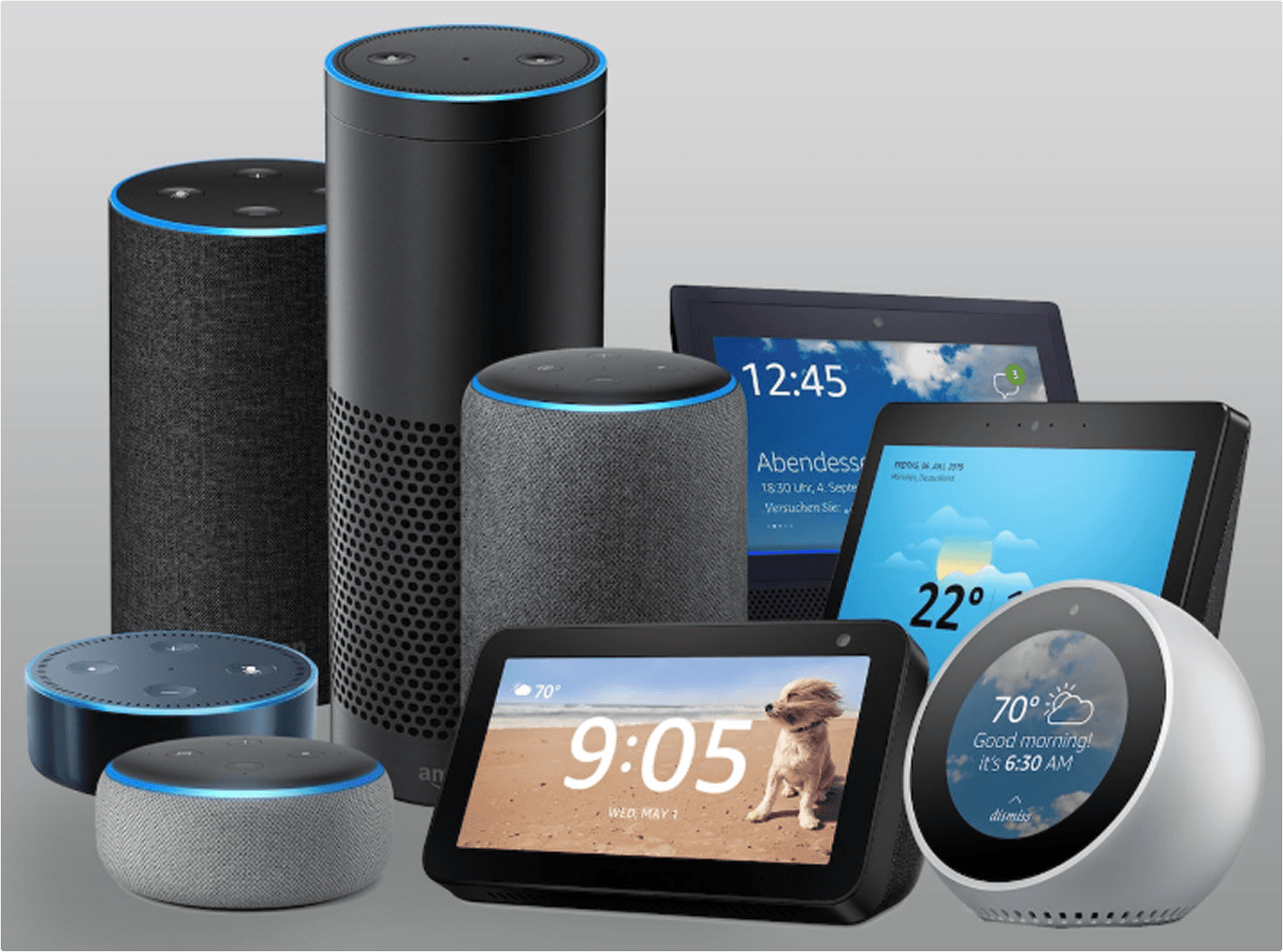
We focused on the Echo Dot, the most compact Alexa model, to evaluate how well its voice recognition performs in practical environments.
The Challenge
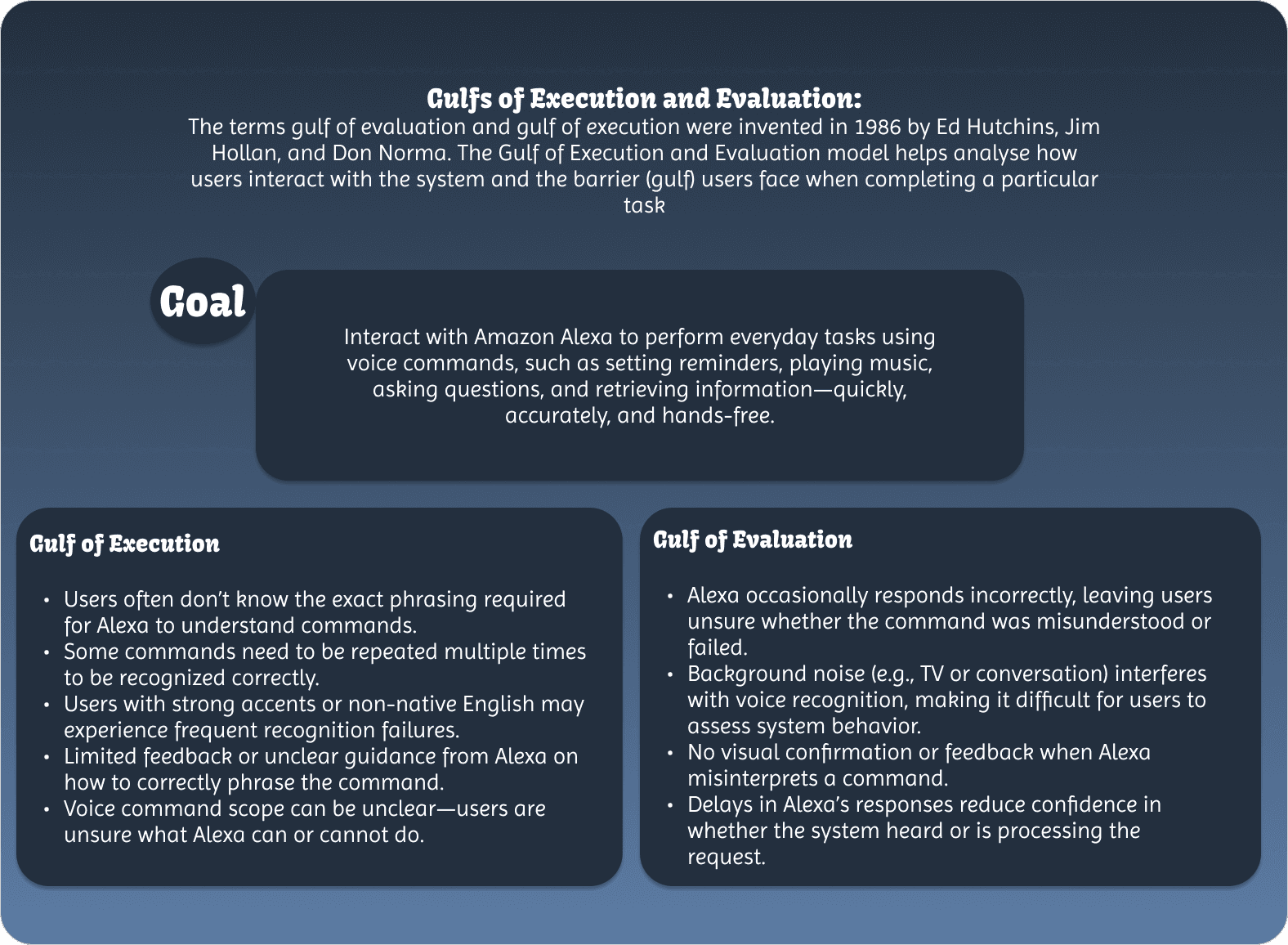
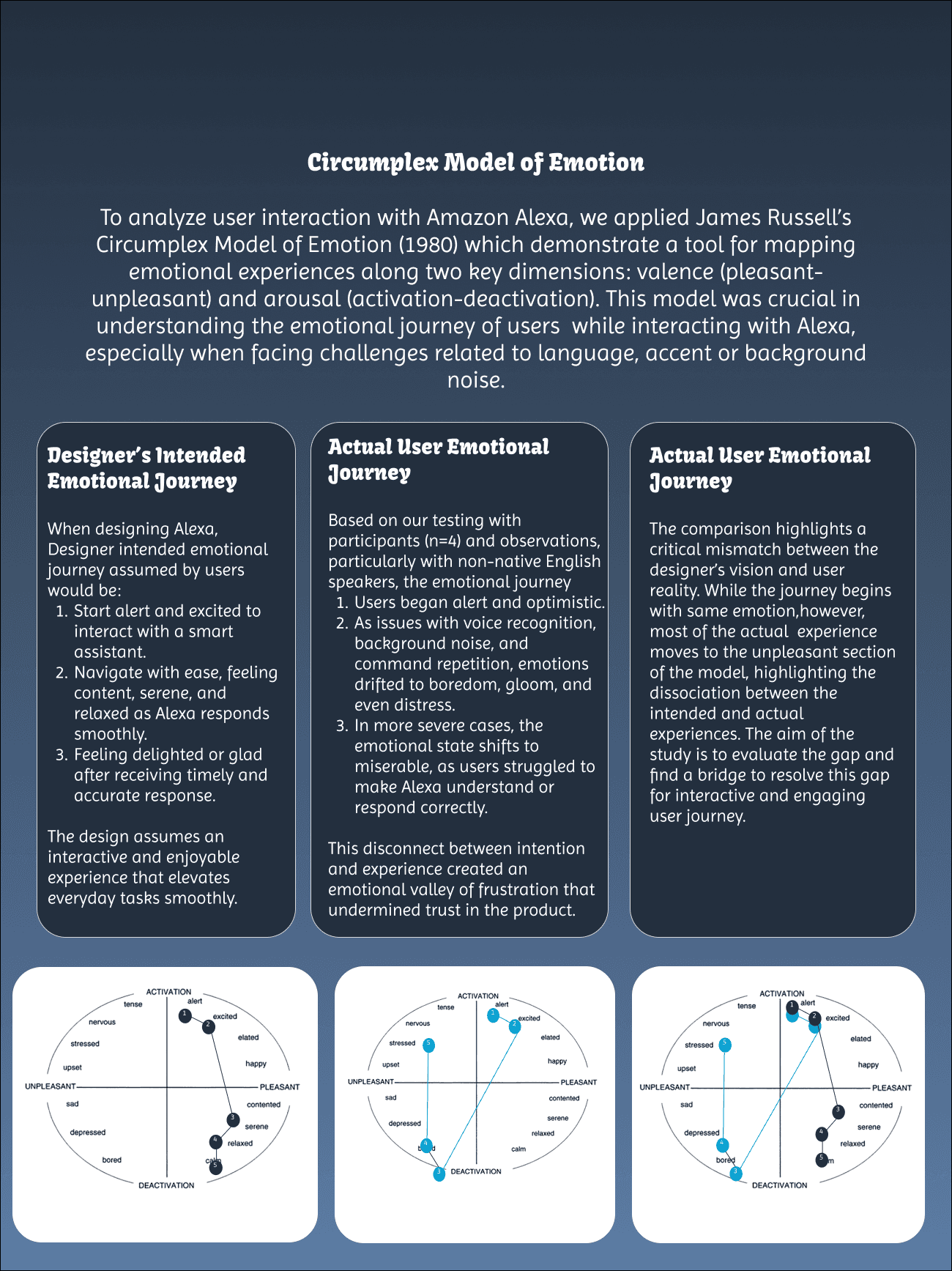
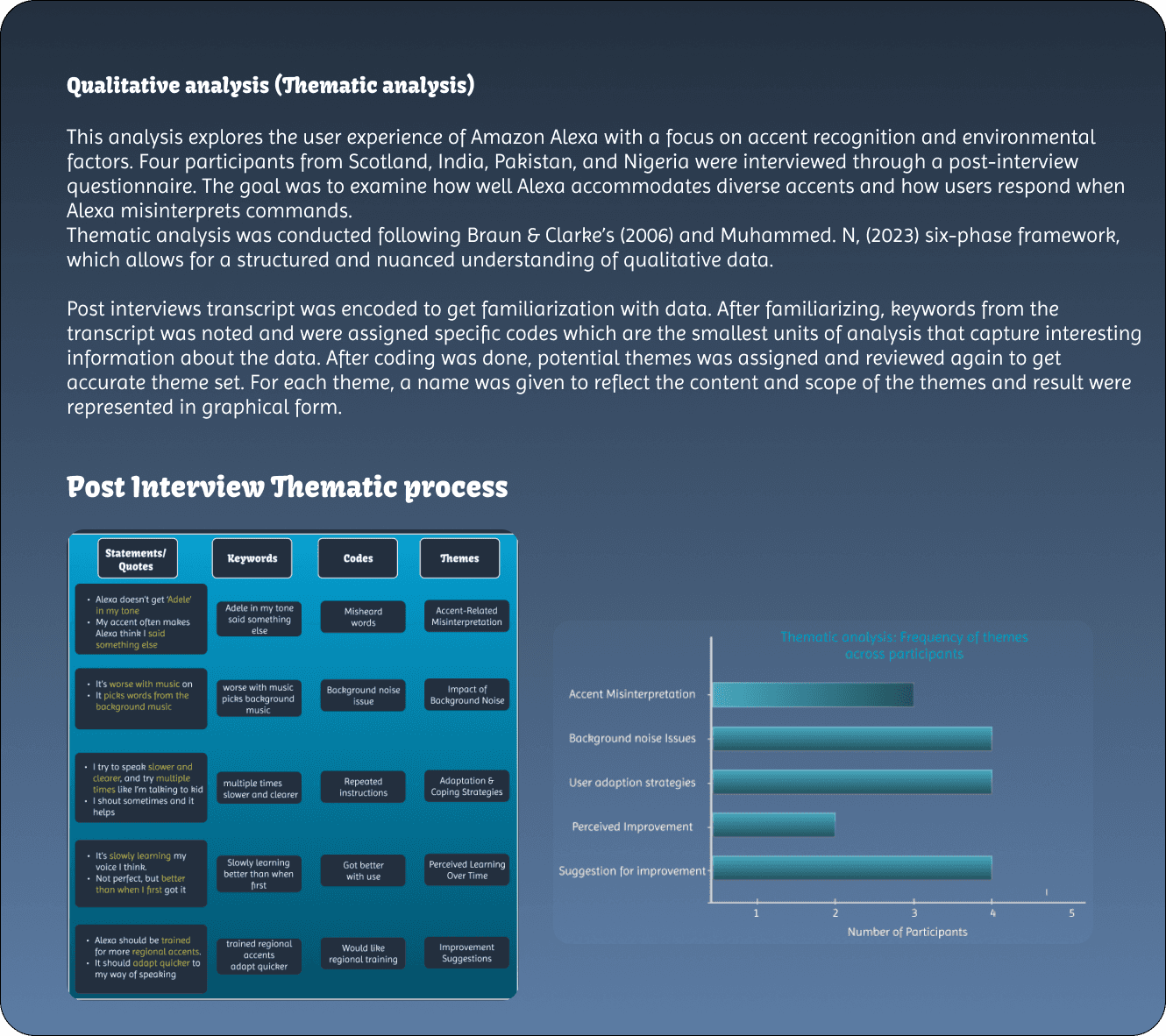
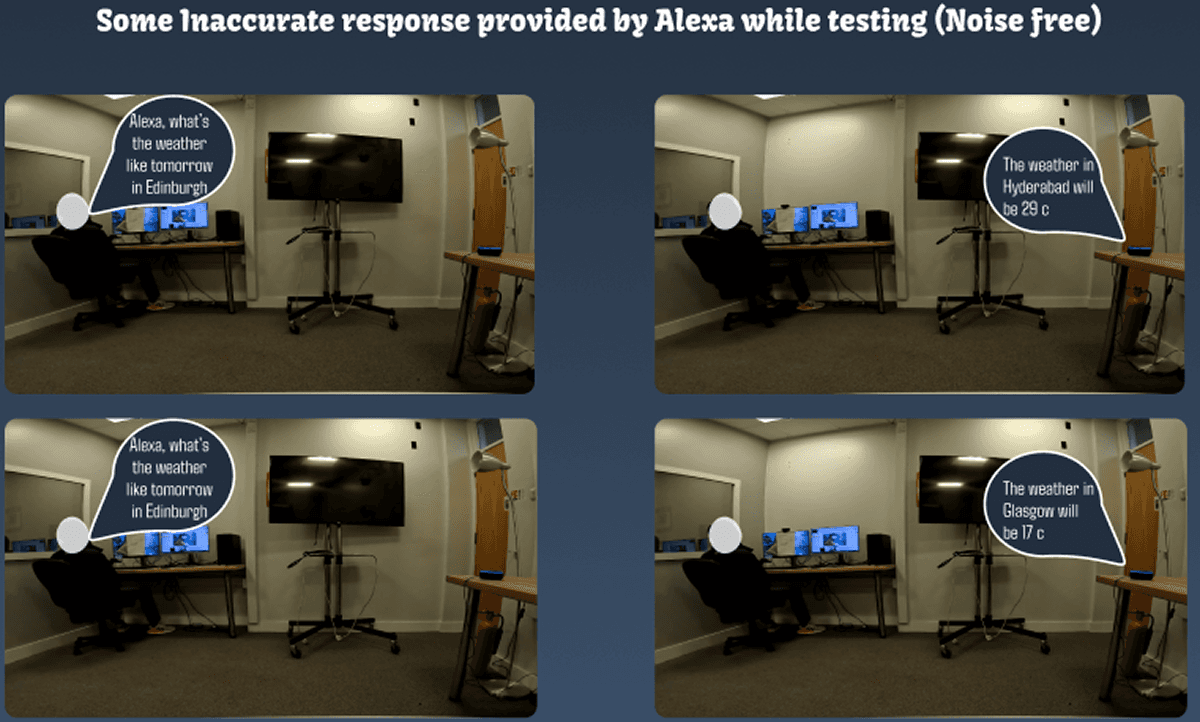
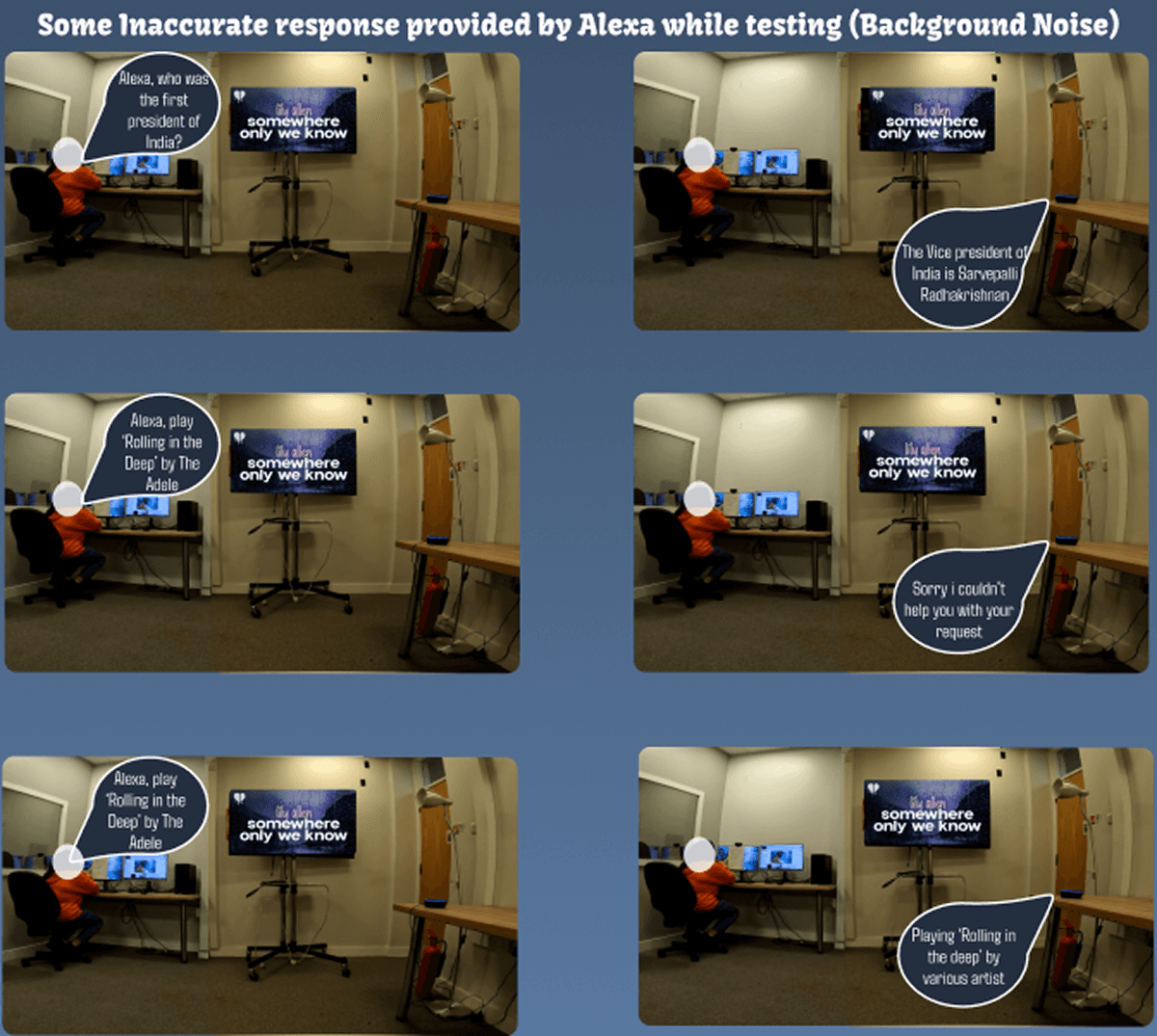
Alexa’s design assumes seamless, conversational interaction; However, our pilot study revealed a dissociation between intended usability and actual experience — particularly for non-native English speakers.
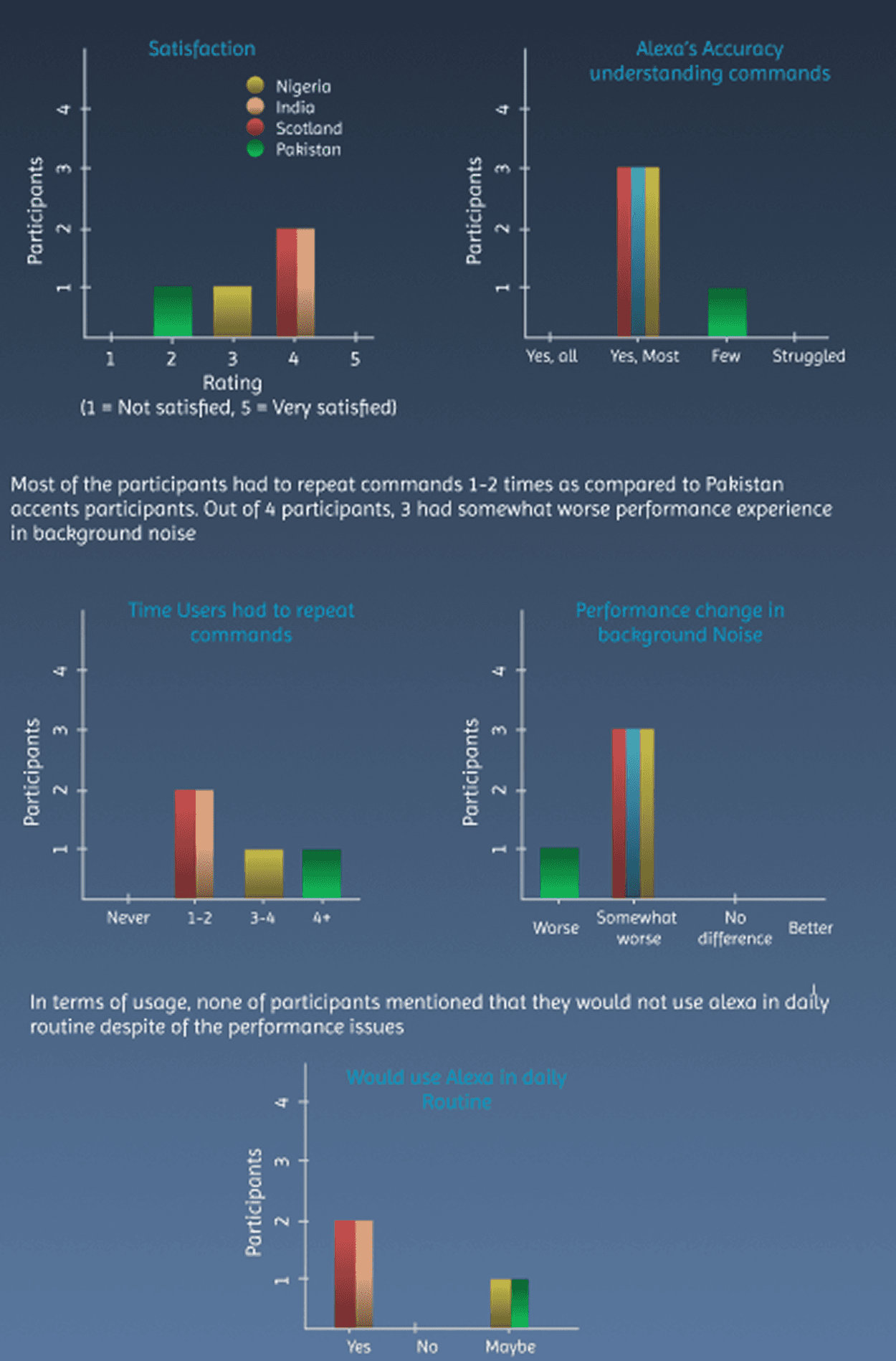
Users often had to repeat commands, adjust pronunciation, or raise their voices in noisy spaces.
This created frustration and reduced confidence, highlighting an important gap:
Can global technology truly understand a global audience? 🌍
Research Question
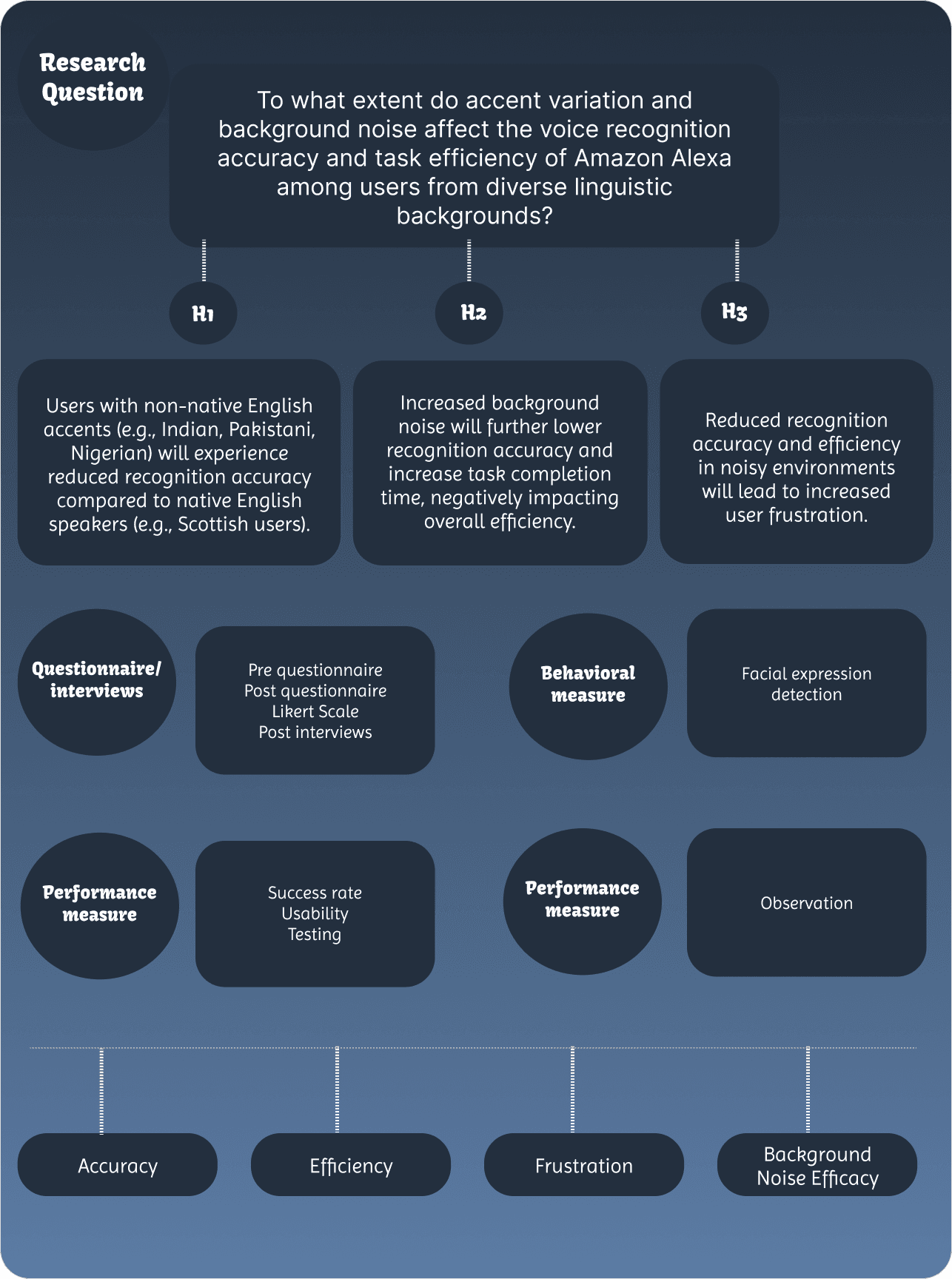
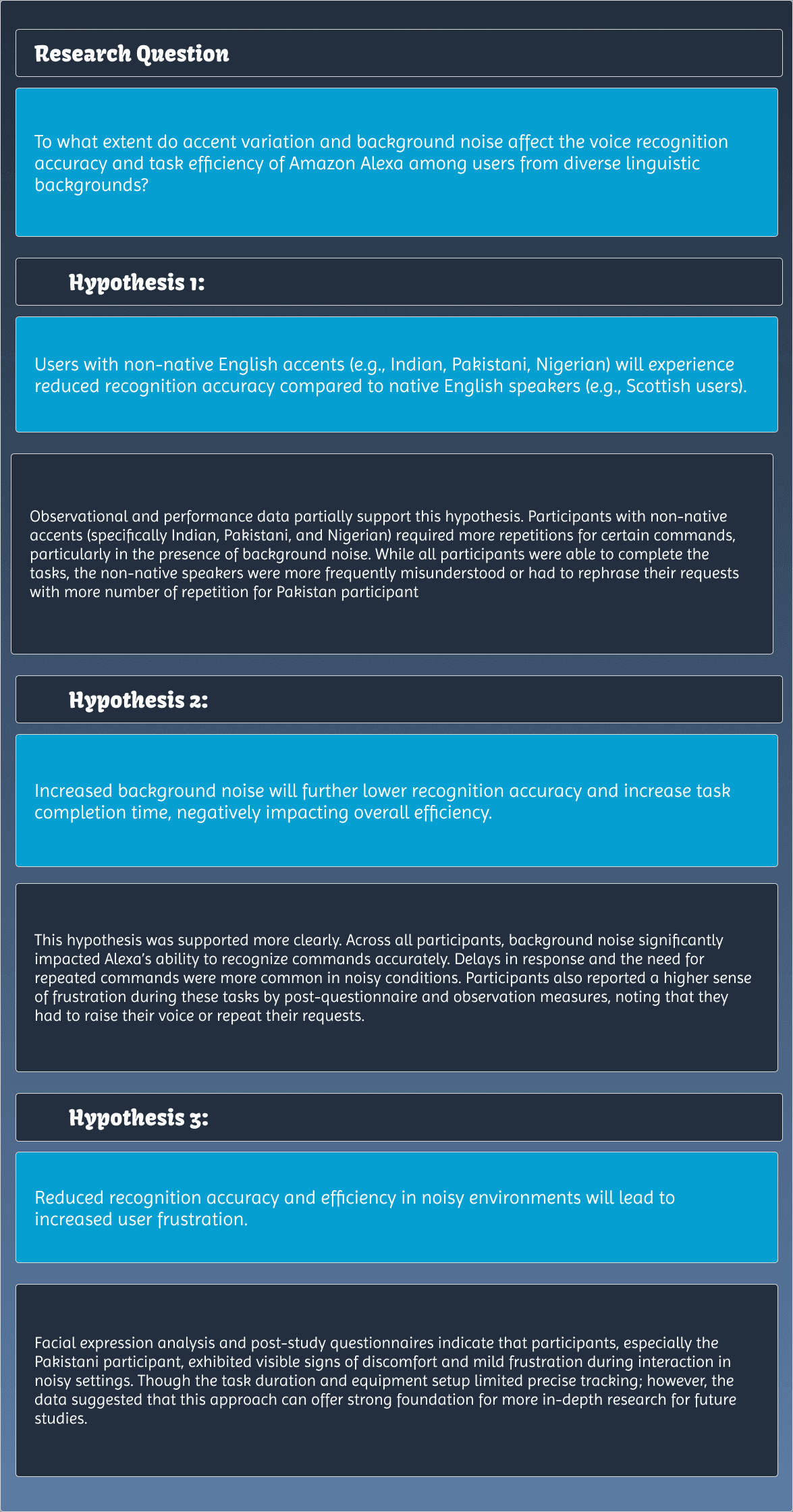
To what extent do accent variation and background noise affect the voice recognition accuracy and task efficiency of Amazon Alexa among users from diverse linguistic backgrounds?
H1: Non-native English speakers (e.g., Indian, Pakistani, Nigerian) will experience lower recognition accuracy than native speakers (e.g., Scottish users).
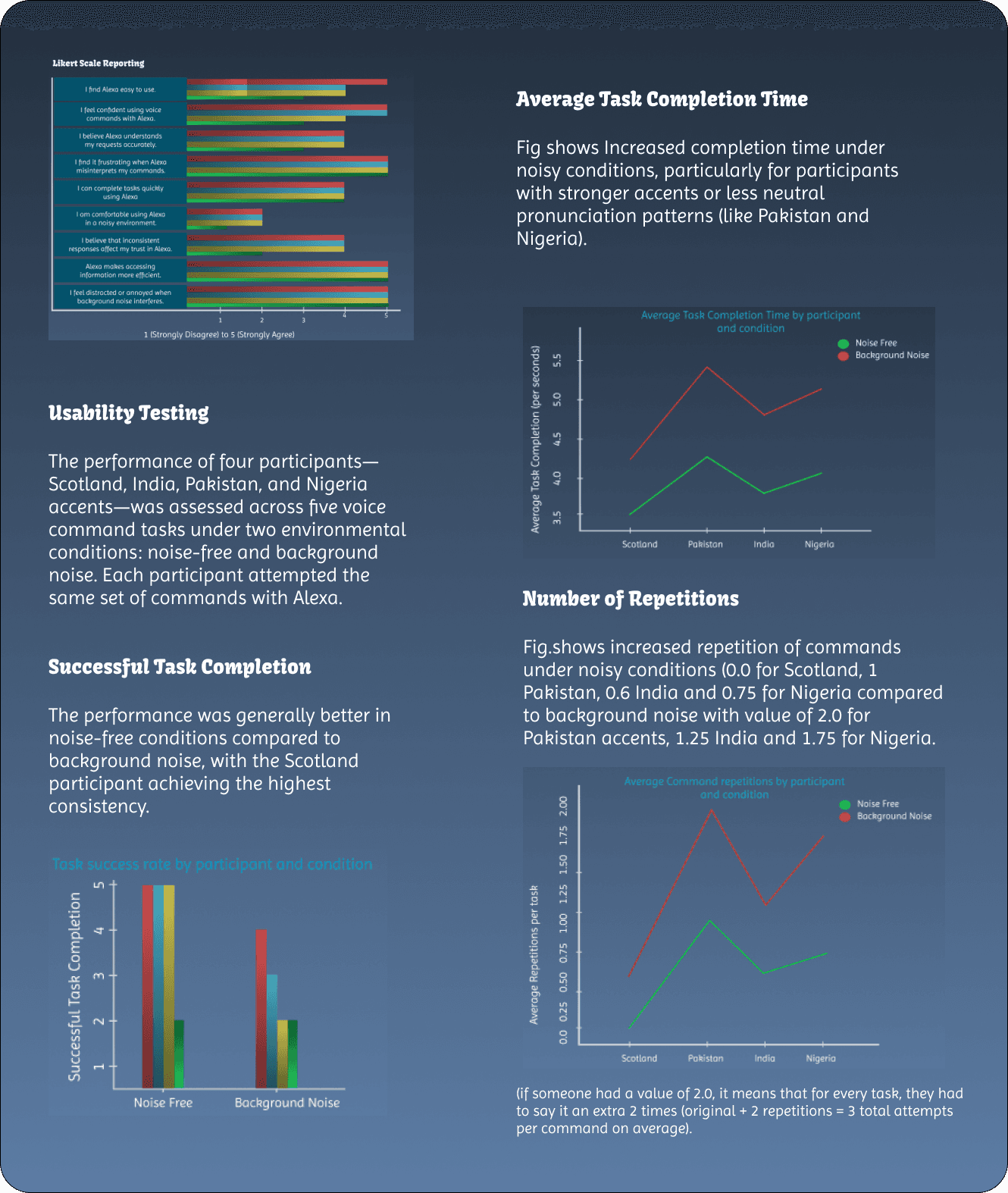
H2: Background noise will further decrease recognition accuracy and increase task completion time.
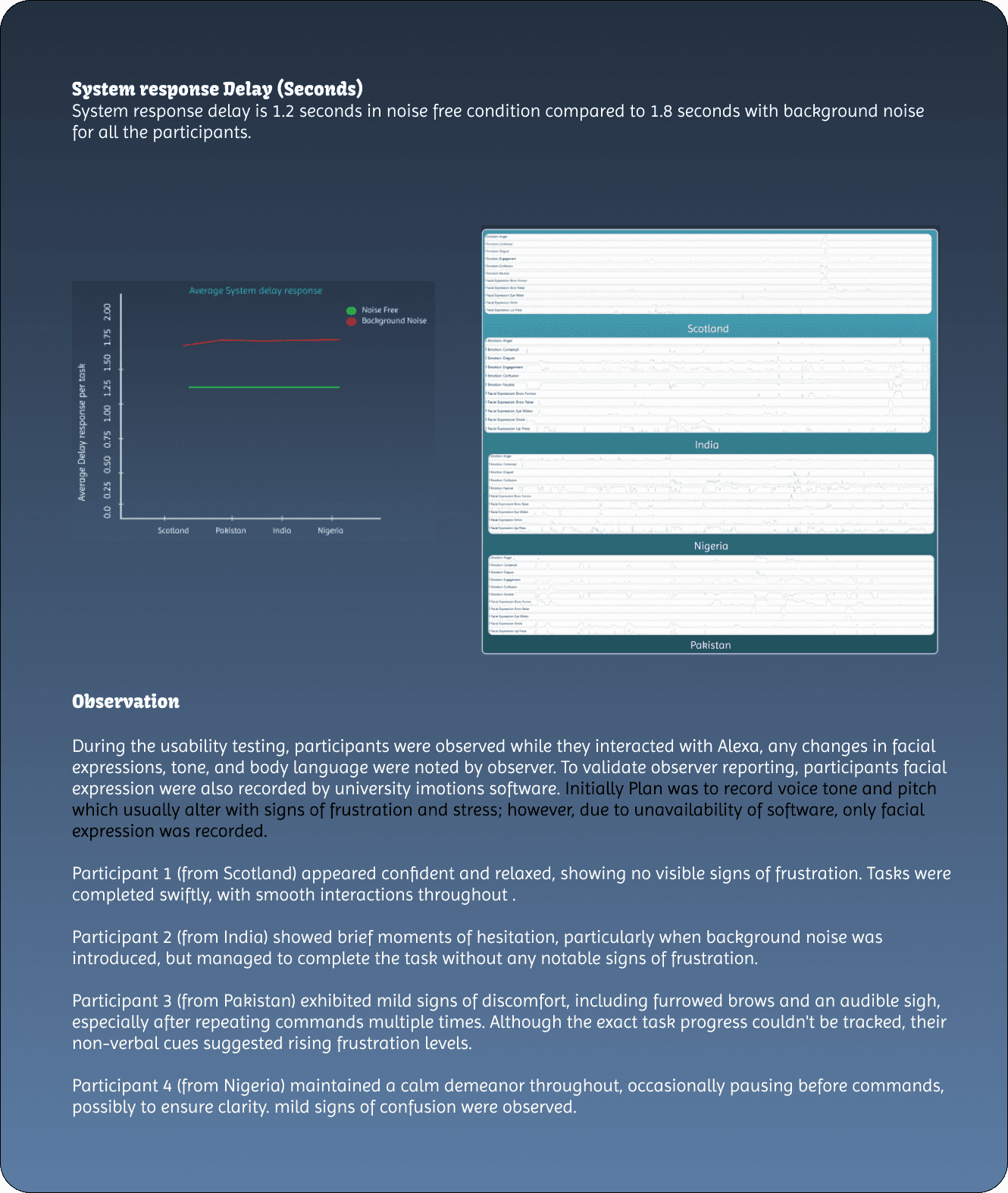
H3: Reduced recognition accuracy will increase user frustration.
🧩 Study Design
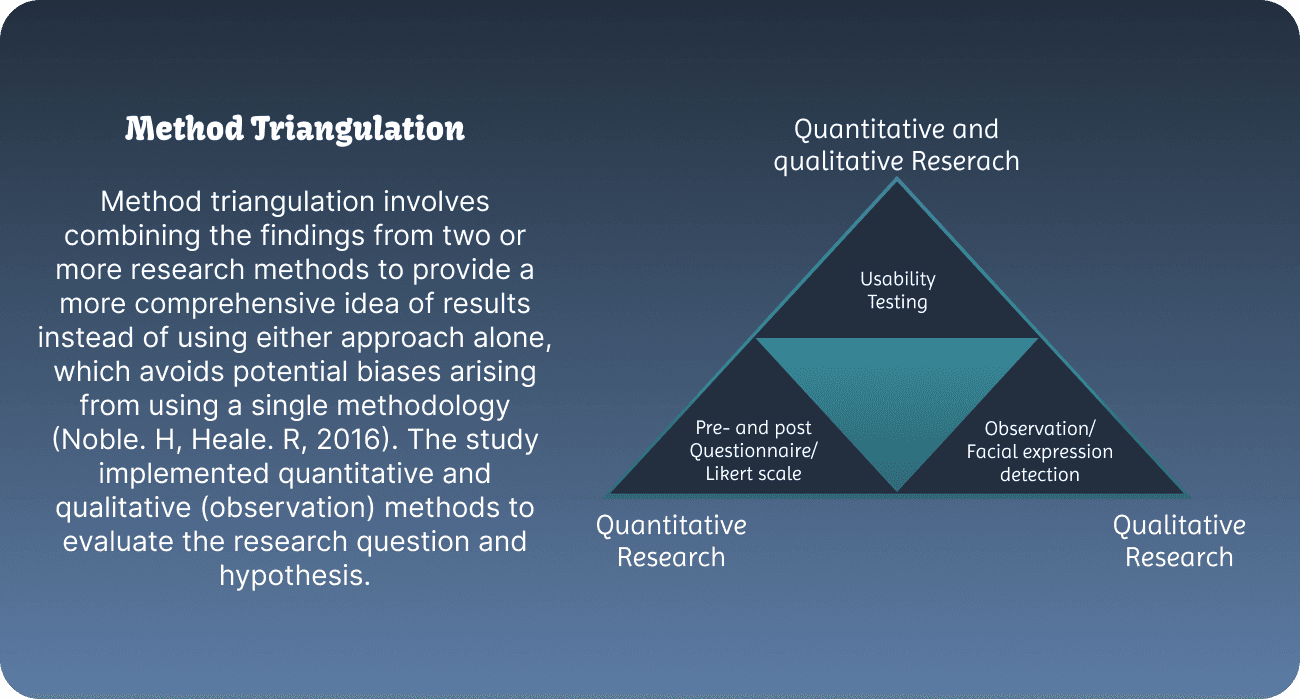
A within-subjects usability study involving 4 participants:
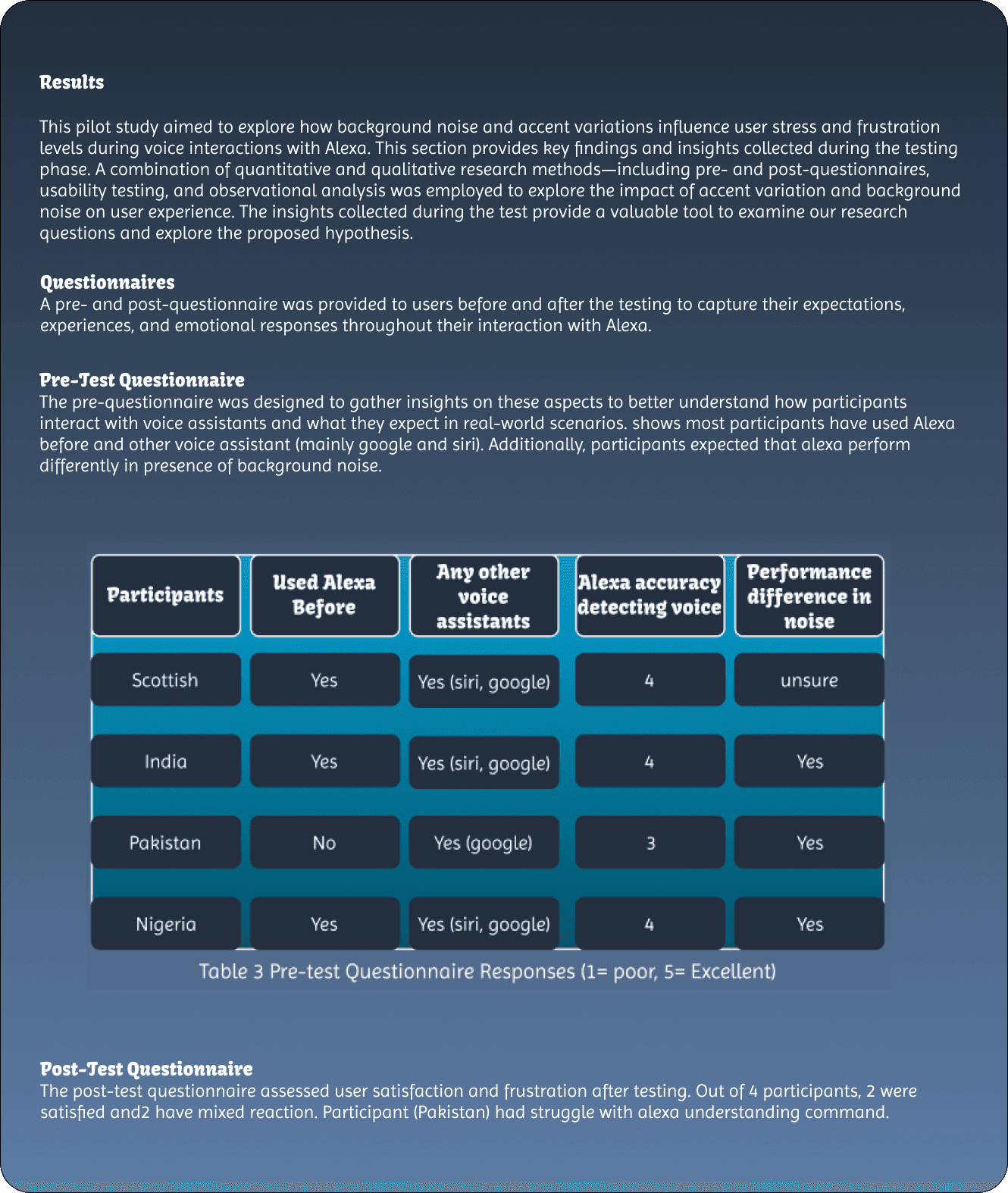
Accents: Scottish, Indian, Pakistani, Nigerian
Environment: Quiet vs. Noisy
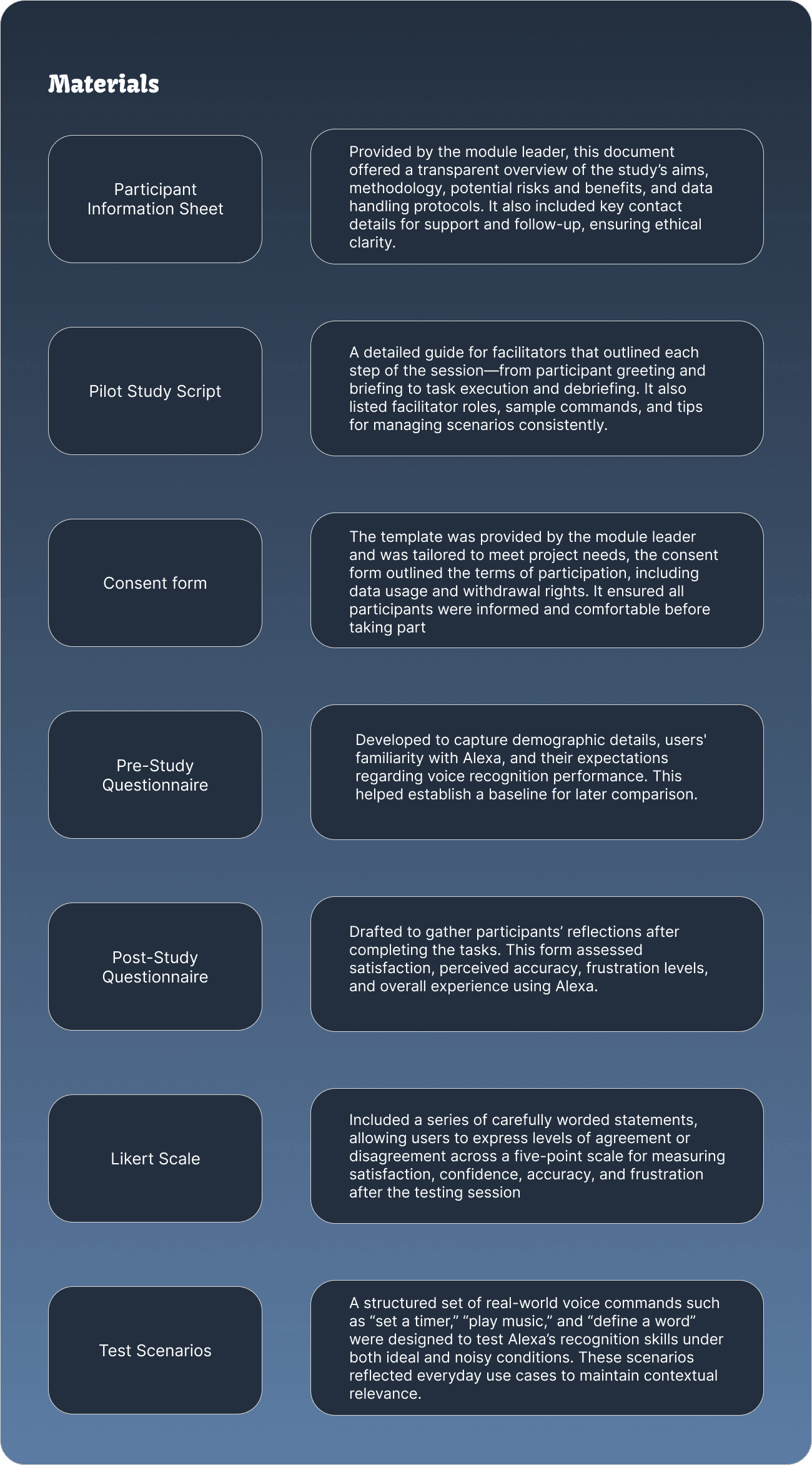
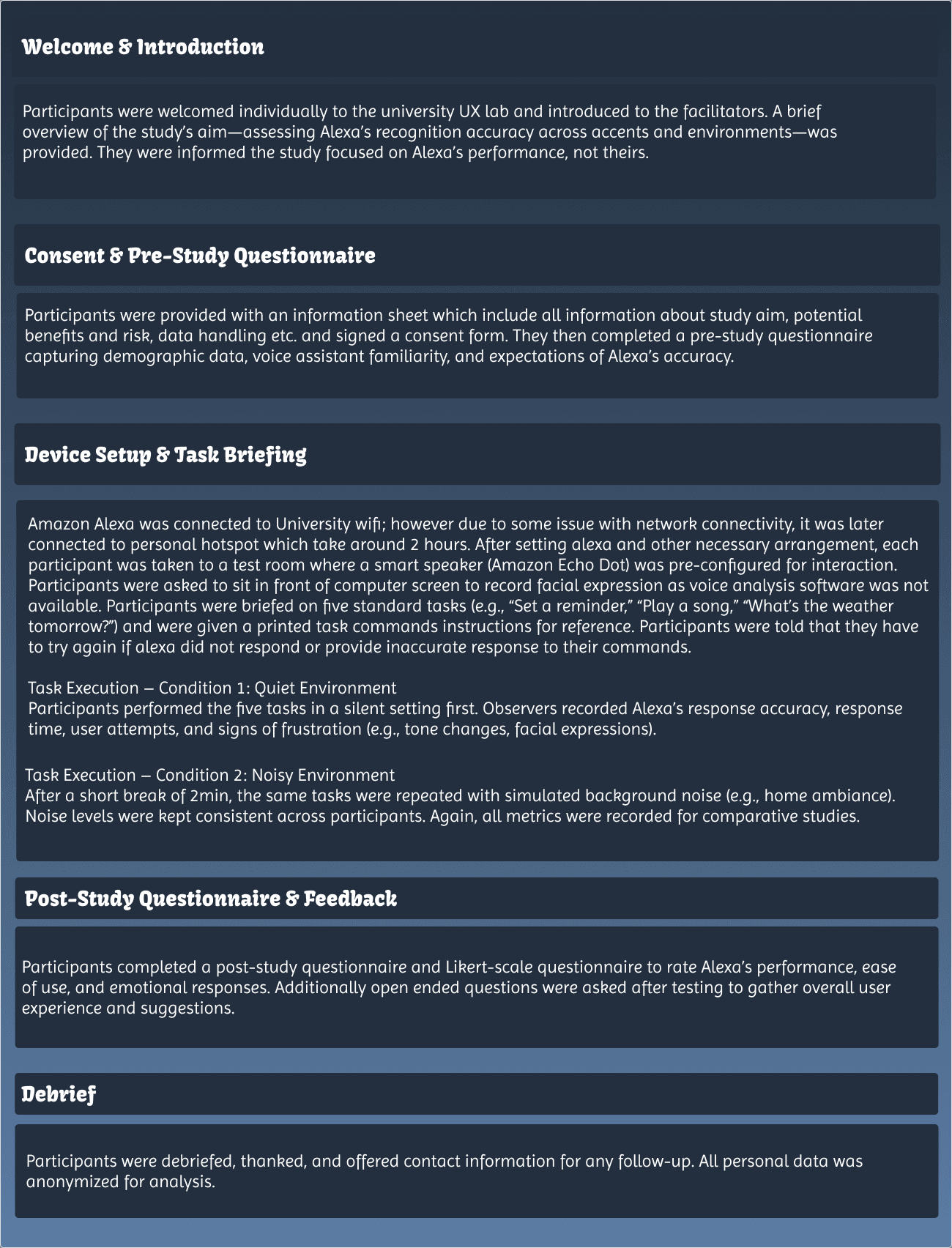
Each participant performed five standard voice tasks (set reminder, play music, check weather, etc.) twice — once in silence and once with simulated background noise.