Role
UX/UI Designer, Researcher
Tools
Figma, Canva
Duration
8 weeks
Client
Academic
Project
OVERVIEW
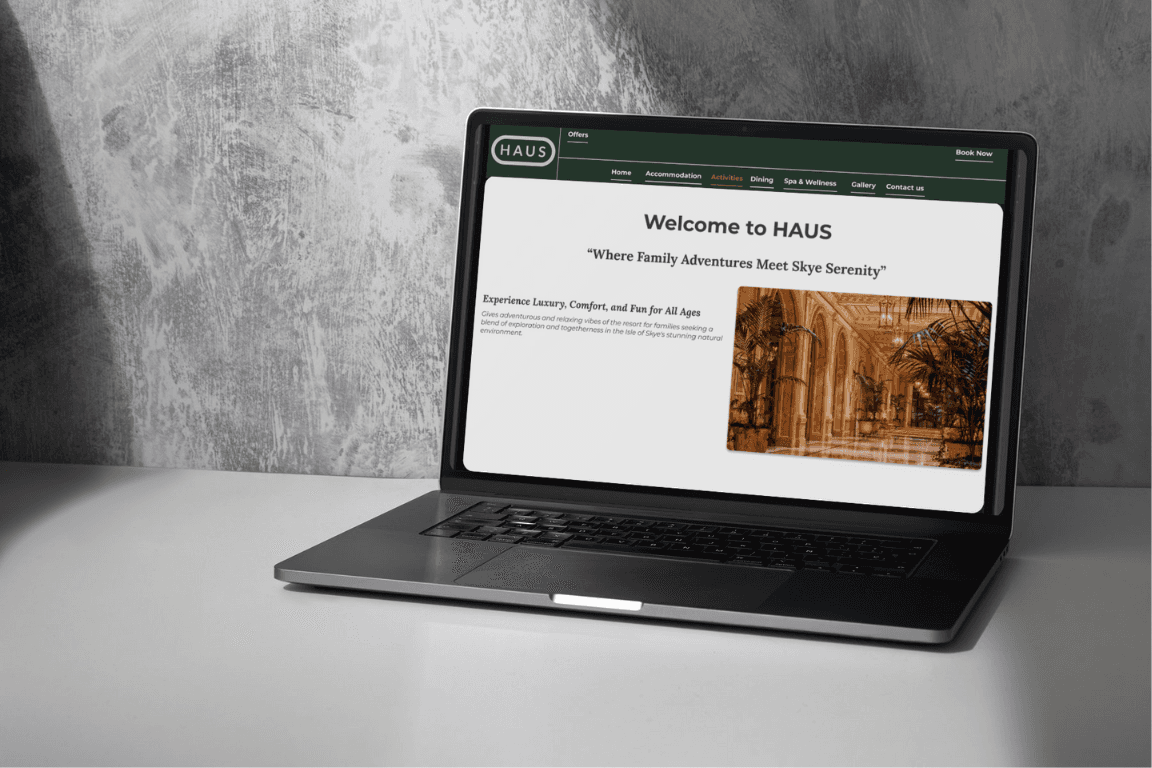
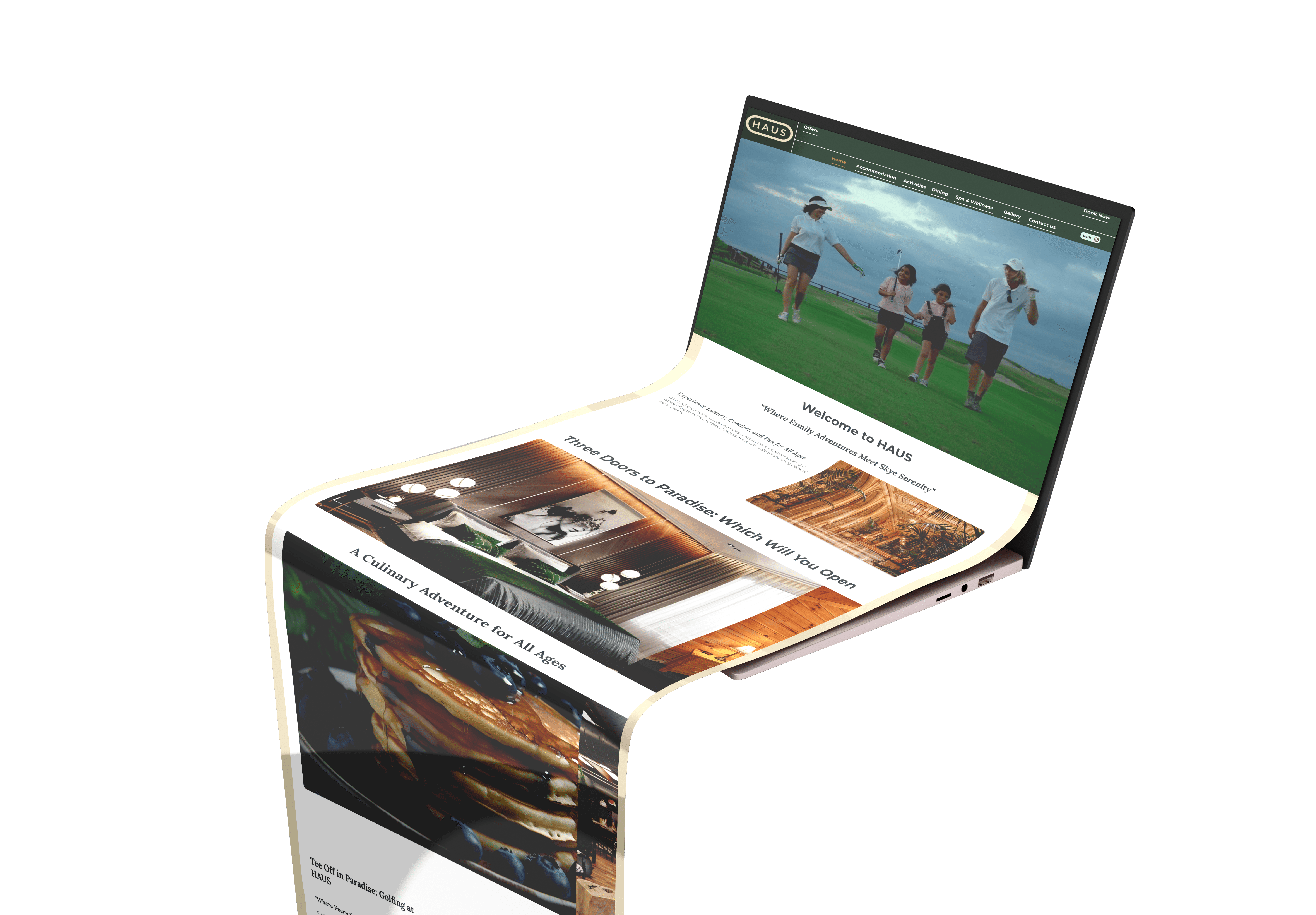
This case study presents the design of Haus Resort, a booking website created to support families visiting the Isle of Skye. By streamlining reservations and showcasing family-oriented services, the goal was to ease the stress of planning and create a more welcoming digital touchpoint. Through research, ideation, and usability testing, I guided the full design process to build a platform that combines clarity, accessibility, and warmth.
ABOUT CLIENT
WHAT IS HAUS?
A booking experience designed with families in mind
Haus Resort is a family-focused initiative designed to make travel planning easier for parents visiting the Isle of Skye. With families seeking both relaxation and convenience, the project set out to address gaps in booking simplicity, accessibility, and trust in online travel platforms.
Inspired by the challenges parents face when organising trips from finding safe accommodations to managing complex booking flows — Haus Resort aimed to provide a smoother, more welcoming alternative to traditional hotel websites. Designed for families, local tourism partners, and hospitality stakeholders, Haus Resort sought to simplify trip planning, highlight family-friendly amenities, and position the Isle of Skye as a warm, accessible destination for all.
DESIGN PROCESS
I applied the Double Diamond framework to keep my process structured and human-centered. In the Discover phase, I analysed competitors like leading hotel and booking platforms, uncovering pain points such as long reservation flows, weak accessibility, and limited attention to families. During Define, I developed personas of busy parents, which clarified the challenge: families need a straightforward and trustworthy booking experience that reduces stress. In Develop, I focused on visual exploration, drawing inspiration from the Isle of Skye’s landmarks, natural textures, and flowers to craft a warm and local design identity. Finally, in Deliver, I created high-fidelity prototypes of the Haus Resort website to ensure the platform feels simple, welcoming, and inclusive from the very first click.
Planning family trips is often stressful. Most booking websites prioritise transactions over trust, leaving parents overwhelmed by long forms, unclear pricing, and limited information about family-friendly amenities. For a new resort like Haus, this creates a critical challenge: how to stand out in a crowded travel market while making families feel confident and cared for from the very first click. The goal was to design a booking experience that reduces friction, builds trust, and reflects the warmth of a family holiday in the Isle of Skye.
The Challenge
Families planning trips often shared the same frustrations: “I get lost in too many booking steps” or “I can’t tell if a hotel is really family-friendly.” Parents described feeling stressed by unclear pricing, scattered information, and websites that didn’t prioritise their needs. Instead of excitement, planning often turned into a chore — making it harder for families to feel confident about their holiday choices.
My Approach
I designed Haus Resort from the ground up as a 3-month academic project. My process included competitor analysis, persona development, and visual exploration inspired by the Isle of Skye’s natural beauty. Instead of diving deep into multiple iterations, I focused on creating a clear, welcoming, and accessible booking flow that addressed family needs from the start. My goal: simplify reservations, build trust, and design a digital touchpoint that feels as warm as the stay itself.
DISCOVER PHASE
The target audience for Haus Resort was families planning holidays to the Isle of Skye, especially parents with young children. Unlike solo travellers, families often juggle multiple priorities — safety, budget, convenience, and activities that work for all age groups. Research into existing booking platforms revealed that most failed to highlight family-friendly features or simplify the booking journey, creating unnecessary stress. This reinforced the opportunity to design a platform that puts parents’ needs first, offering clarity, reassurance, and ease from the very beginning.
COMPETITOR ANALYSIS
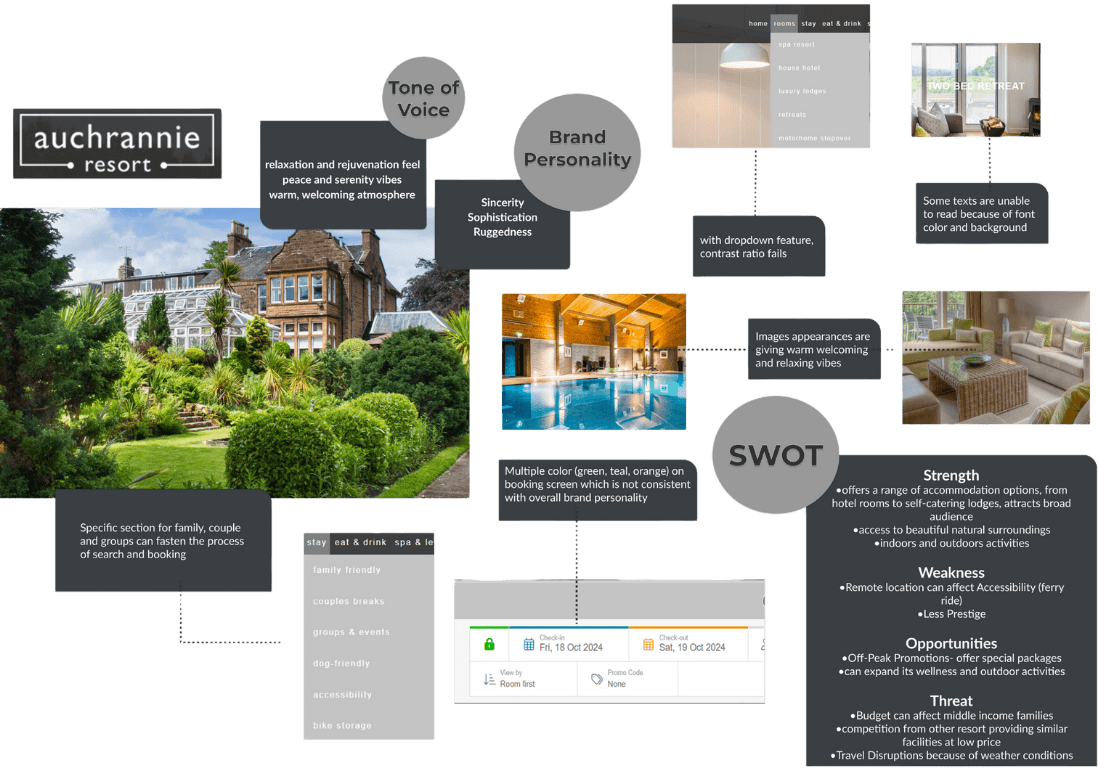
Auchrannie Resort
COMPETITOR ANALYSIS
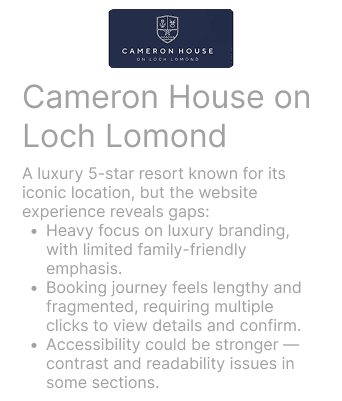
Cameron House

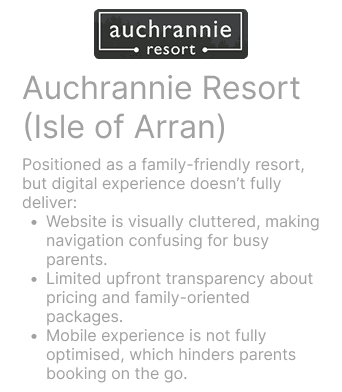
Identifying gaps in the market
Competitive Analysis
A competitive review of Cameron House and Auchrannie Resort highlighted important gaps. While both showcase their locations and amenities well, neither fully delivers a booking experience tailored to families. Long, fragmented reservation flows, limited upfront pricing transparency, and uneven accessibility make planning more stressful than it should be. By bridging these gaps, Haus Resort positions itself as a family-first platform — simplifying reservations, highlighting child-friendly amenities, and creating a warmer, more inclusive digital experience.
Initial Hypotheses
What we believed
Based on research insights, I formulated key hypotheses to guide GlasGroov’s design:
Simplified Booking Flow
If we reduce the number of booking steps, families will feel less overwhelmed and complete reservations more confidently.
Family-Focused Content
If we highlight amenities like child-friendly rooms, activities, and dining, parents will perceive the resort as more welcoming and trustworthy
Transparent Pricing
If we display clear costs upfront, families will trust the platform more and reduce frustration during checkout.
Warm Visual Identity
If we use colors and imagery inspired by the Isle of Skye, the digital experience will feel local, inviting, and memorable — strengthening emotional connection.
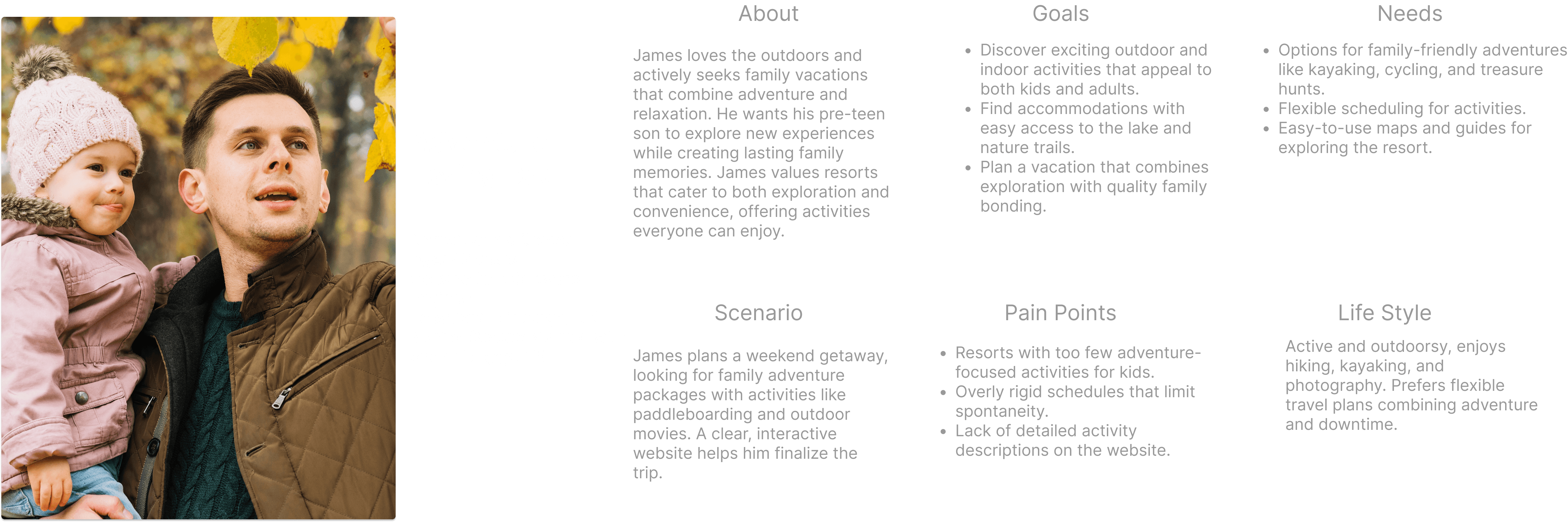
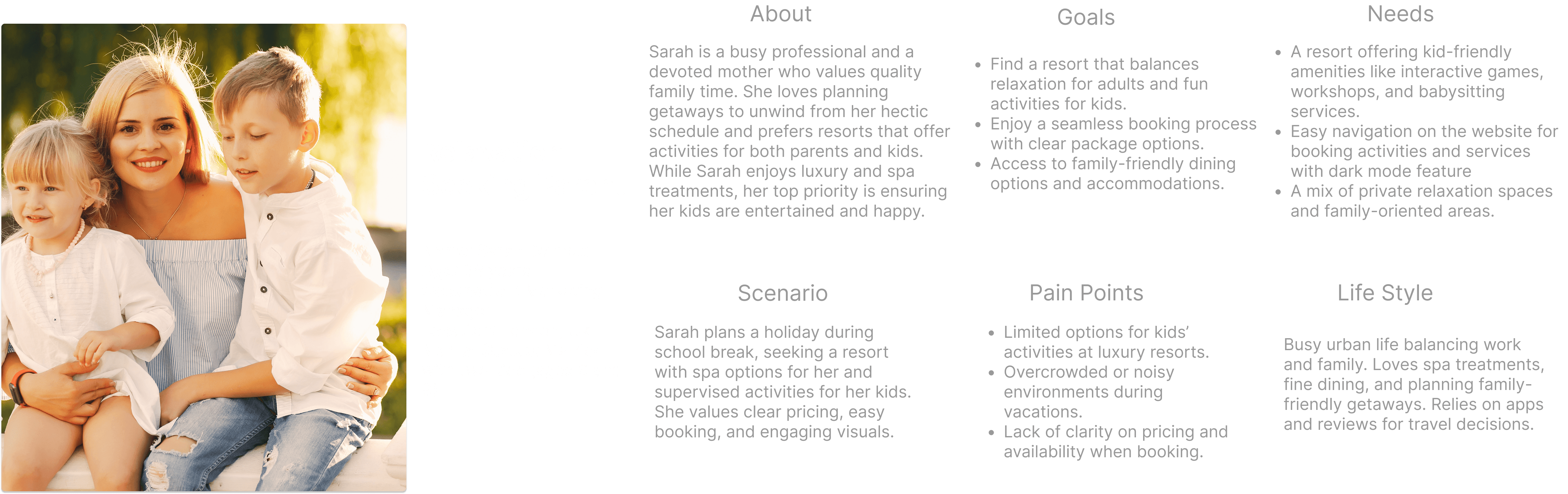
PERSONAS
DEVELOP PHASE
With a clear understanding of family travel challenges, I focused on shaping design direction through personas and competitor insights. By mapping the needs of busy parents and comparing gaps in existing resort websites, I clarified the opportunity: families need a booking experience that is simpler, more transparent, and more welcoming. These insights guided the visual and structural design decisions, ensuring the concept stayed grounded in real user needs while differentiating Haus Resort from competitors.
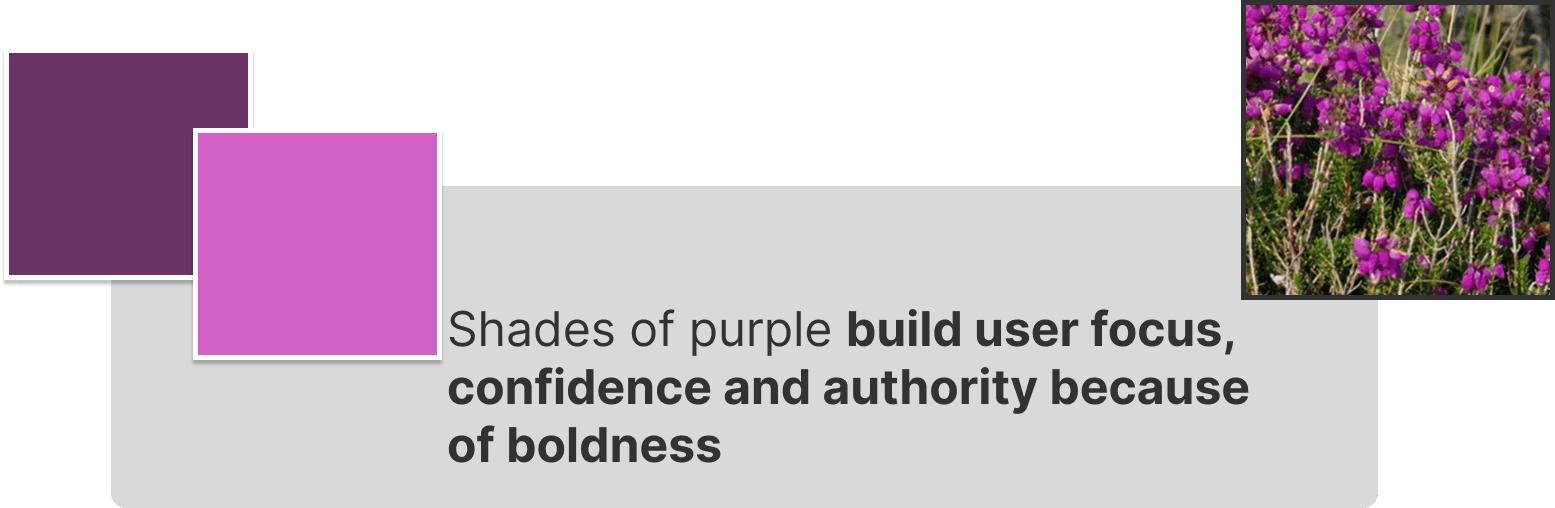
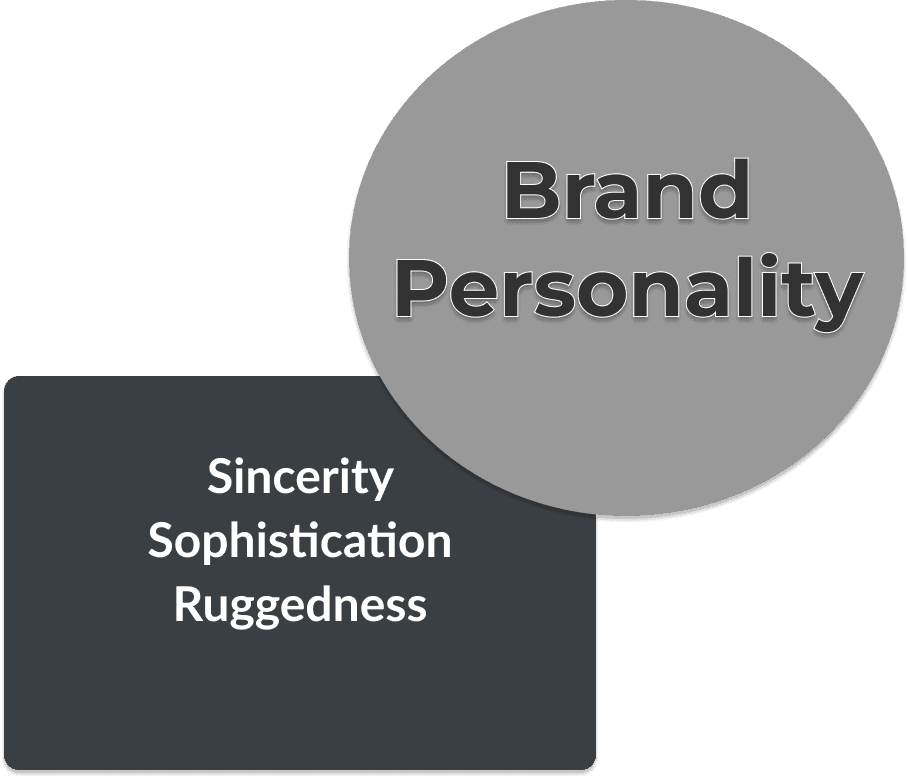
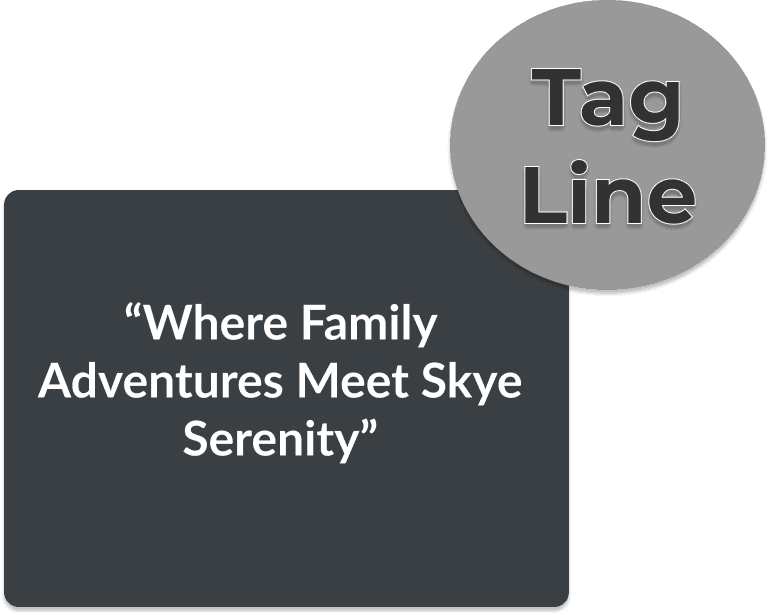
Style Guideline
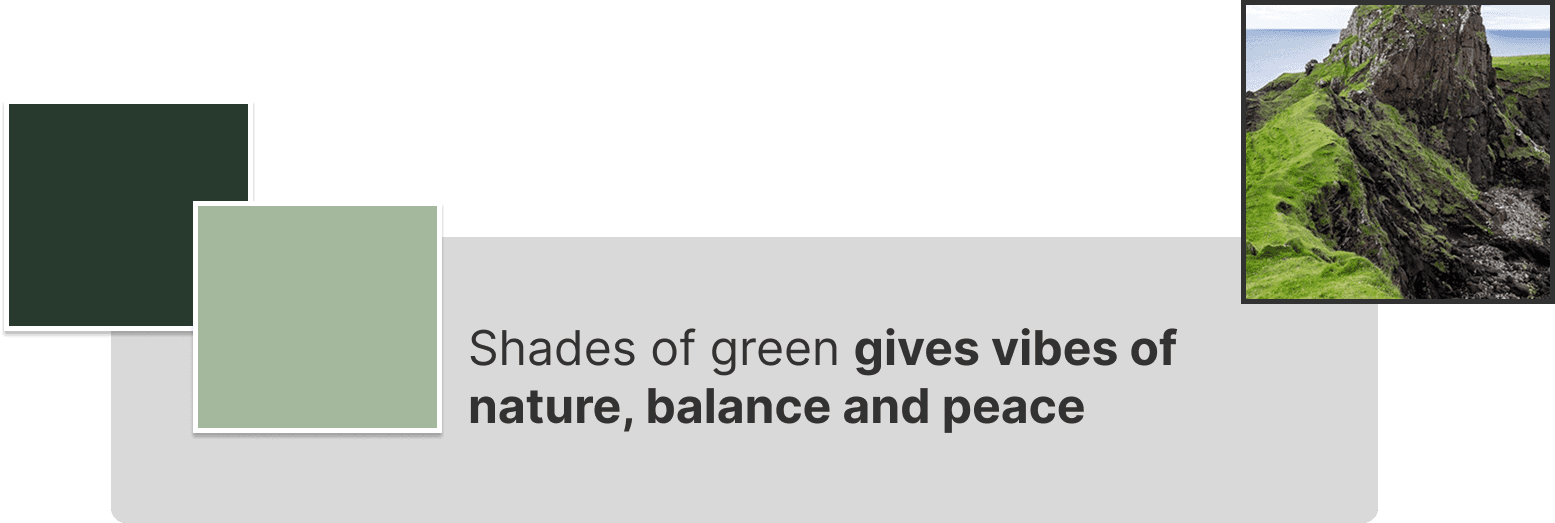
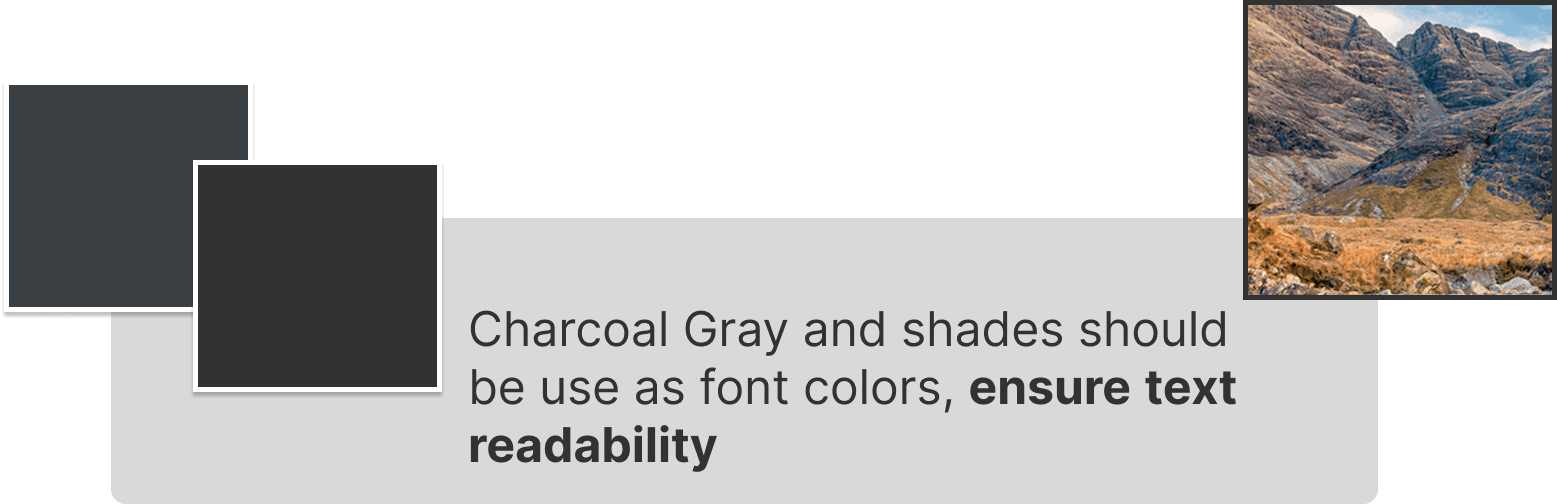
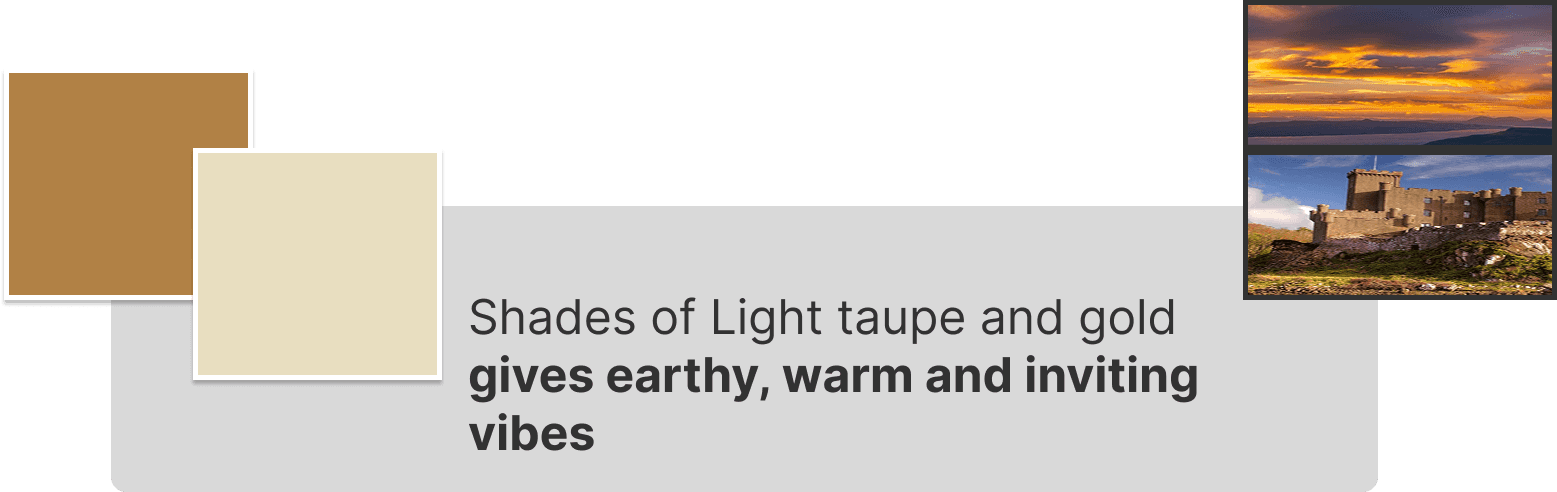
The idea behind ‘design’ is the Isle of skye famous landmarks, stories and nature. Purple shades comes from Heather flower, forest green shades from Old Man of storr and Light Taupe and gold shades from Dunvegan castle and Dunscaith castle

WIREFRAMES
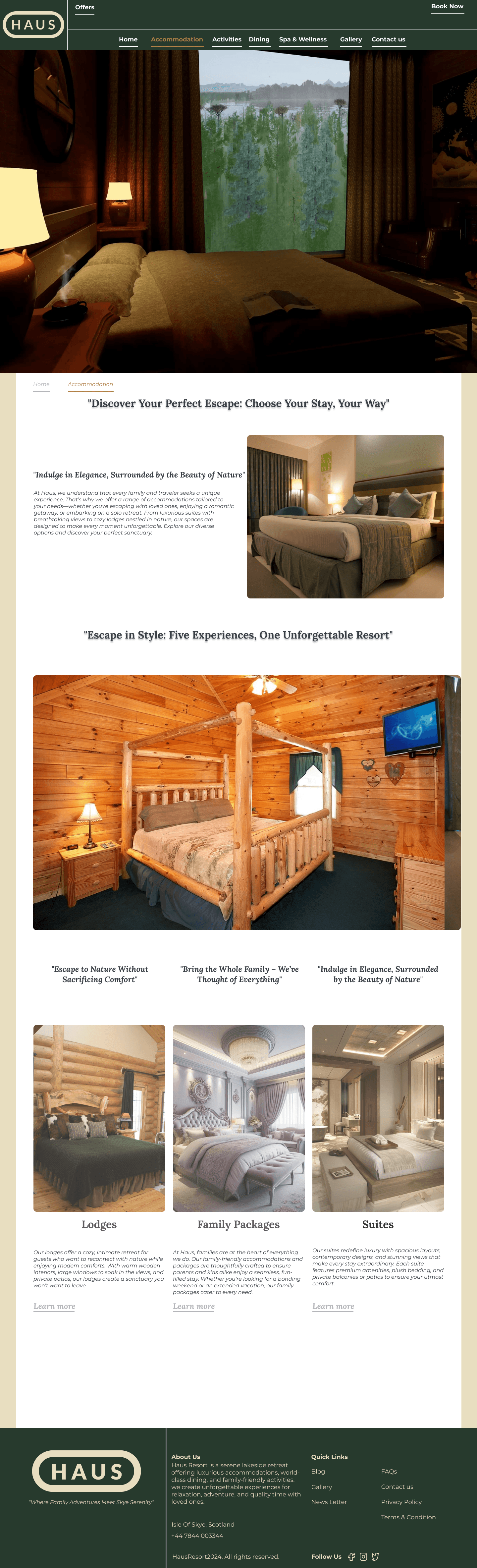
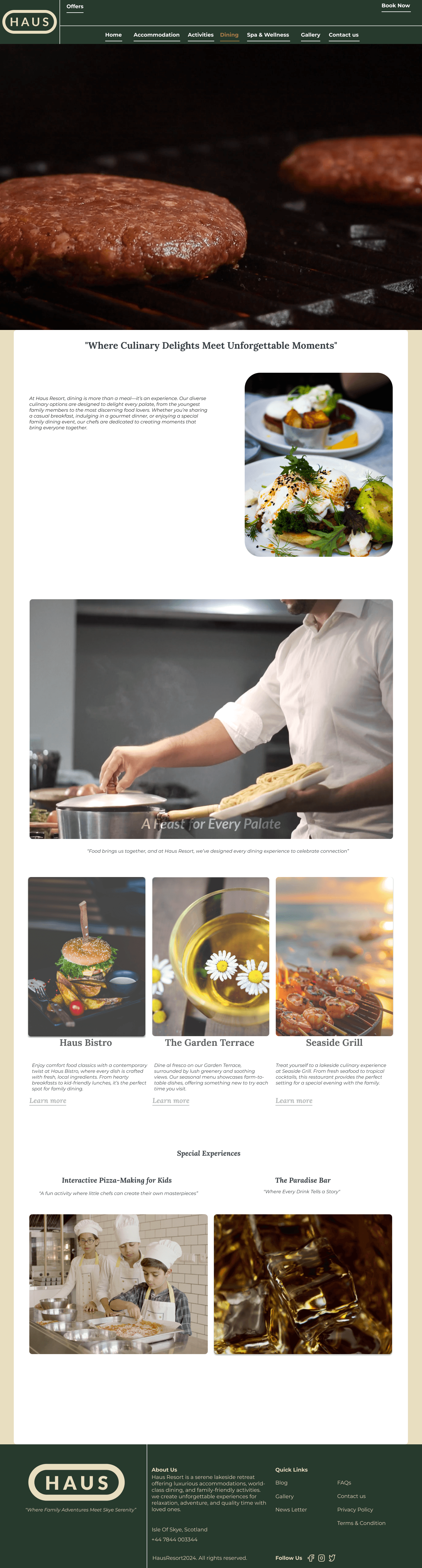
To establish structure and hierarchy early, I created full wireframes that laid out the core pages of the website — including Accommodation Booking, Spa & Wellness, Activities, Weddings, and Contact. These wireframes allowed me to experiment with layout patterns, content placement, and user flows without being distracted by branding details. By visualising the end-to-end experience at this stage, I could ensure that navigation felt consistent and that each page served family needs clearly before moving into high-fidelity design.
Focus:
Consistent navigation across all pages
Clear flow from browsing → booking → confirmation
Family-friendly content sections highlighted from the start
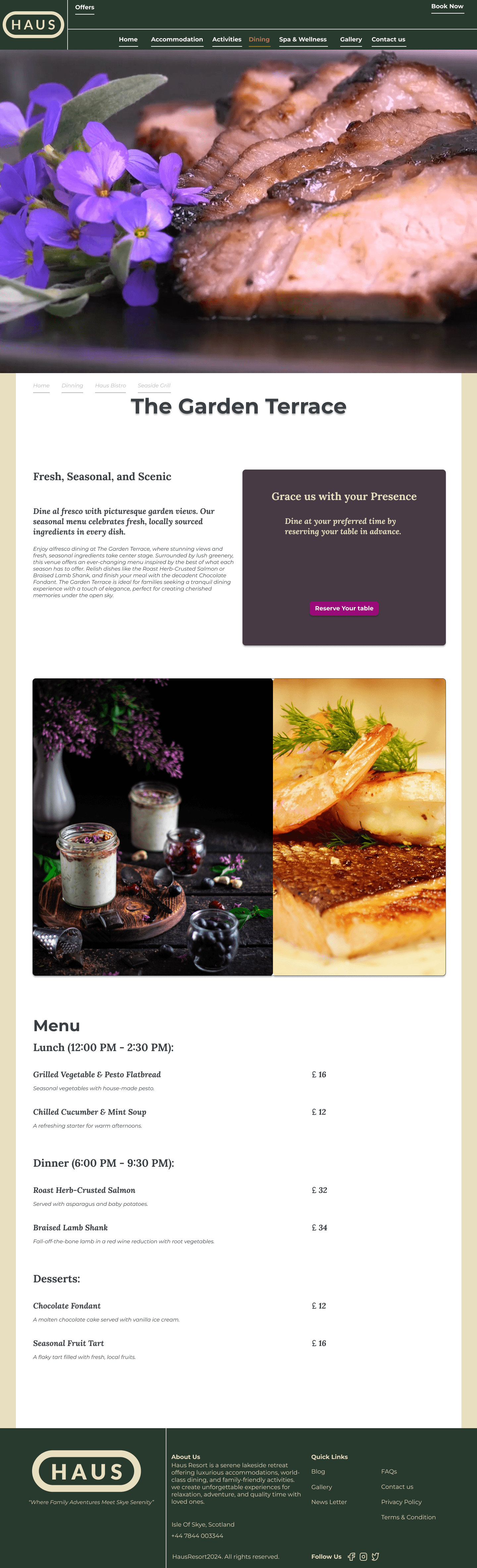
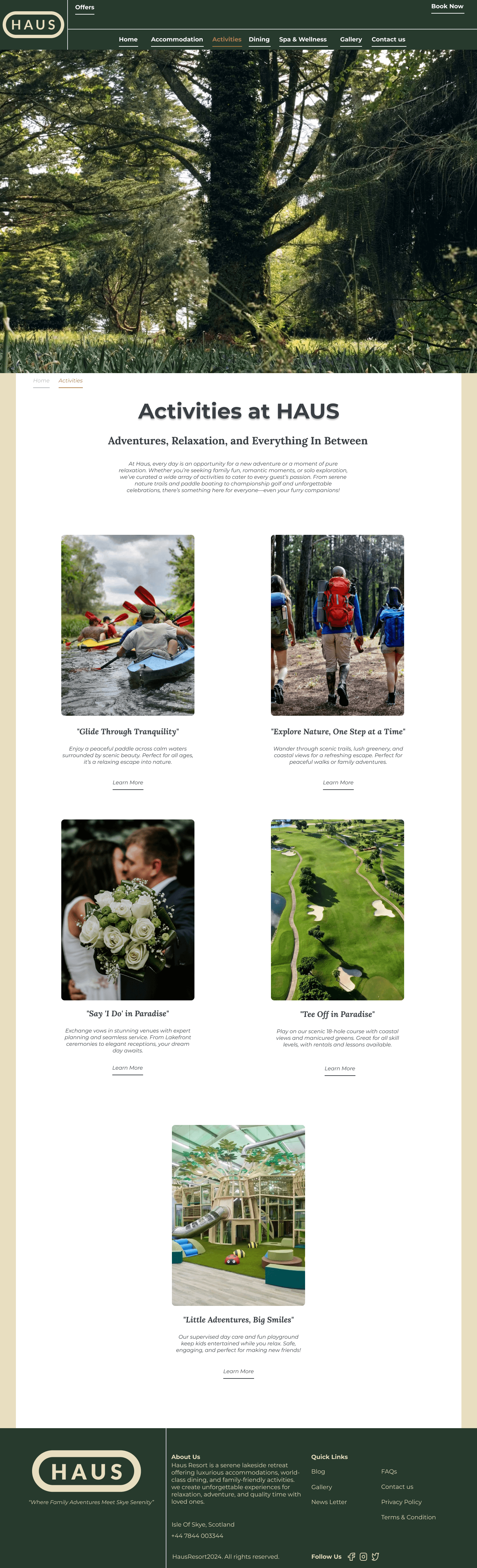
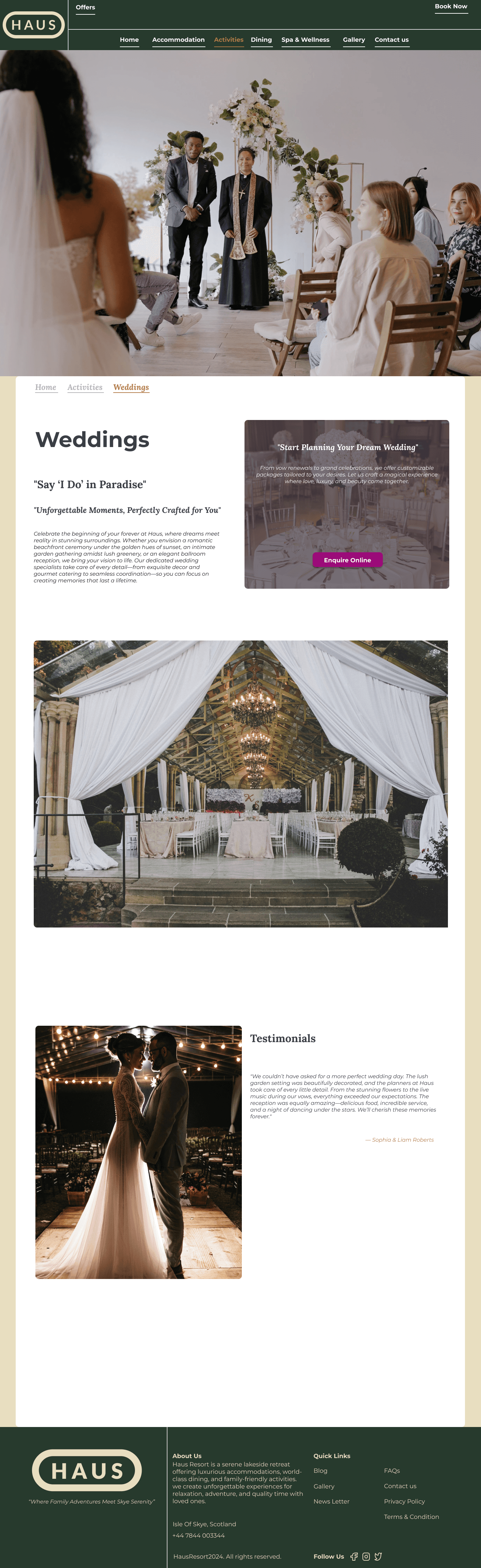
HI- FI PROTOTYPE
Designing with Families in Mind
A welcoming digital space for stress-free planning
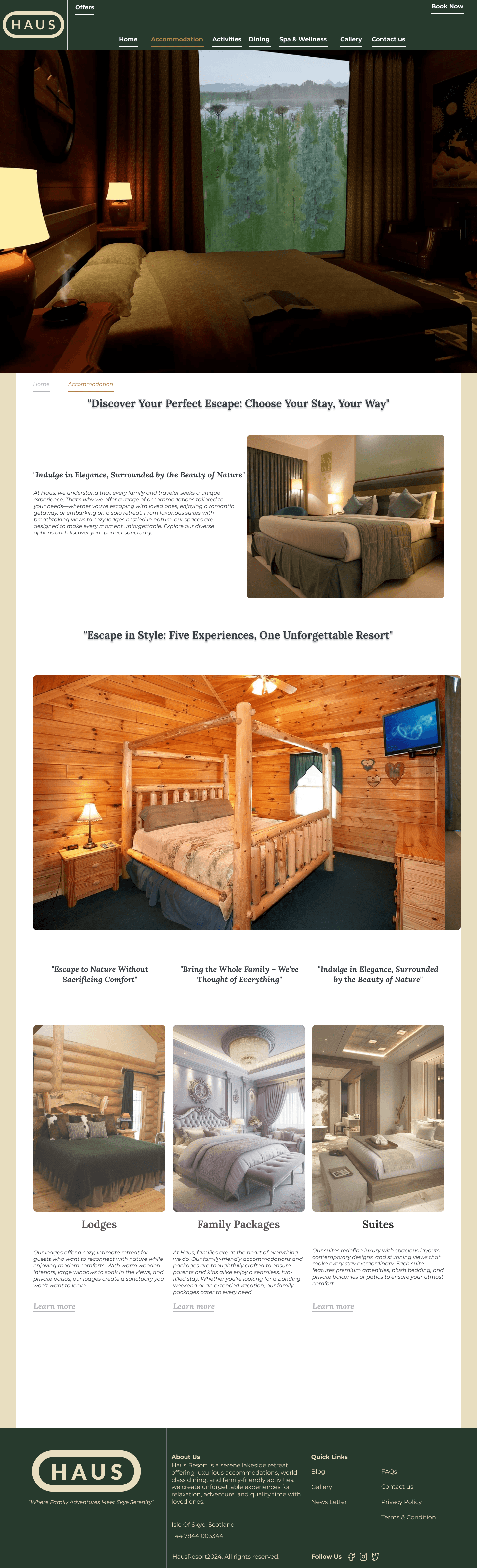
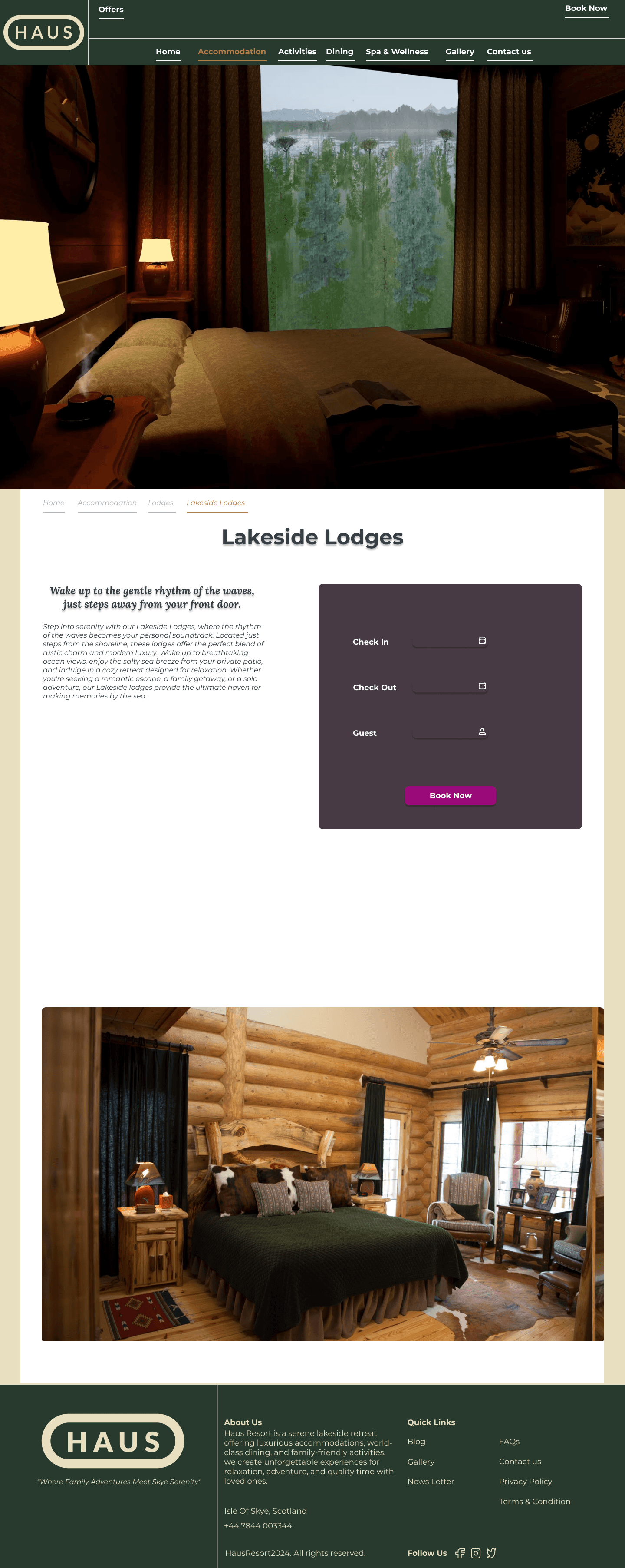
Through iteration, I designed Haus Resort’s high-fidelity prototype to feel warm, intuitive, and trustworthy. Inspired by the Isle of Skye’s natural beauty, the interface blends family-friendly imagery, clear layouts, and simplified booking flows. Each page was crafted to reduce friction while showcasing the resort’s personality.
A clearer, shorter booking flow
I reduced the booking process from six steps to four, introducing a progress indicator and upfront pricing. Parents can now view room details, availability, and costs in a streamlined way — ensuring transparency and reducing last-minute stress.
Visual Focus:
Clean card layout for rooms
Warm neutral tones for readability
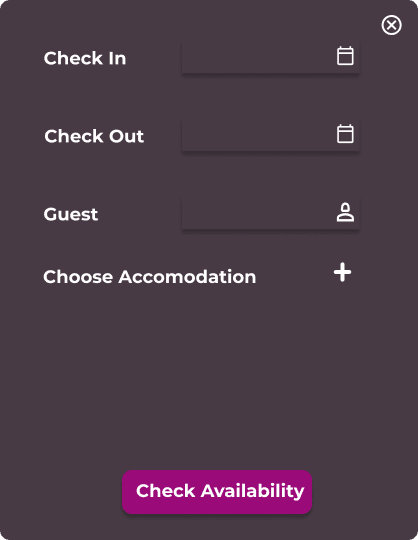
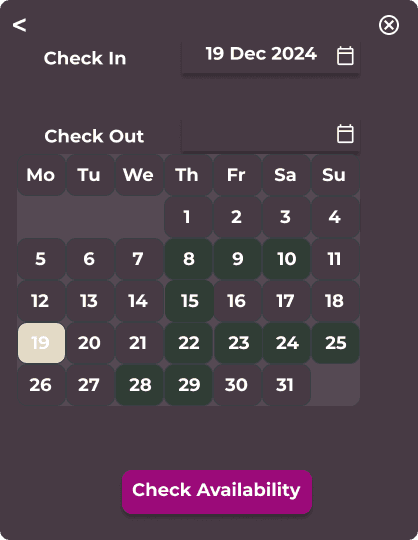
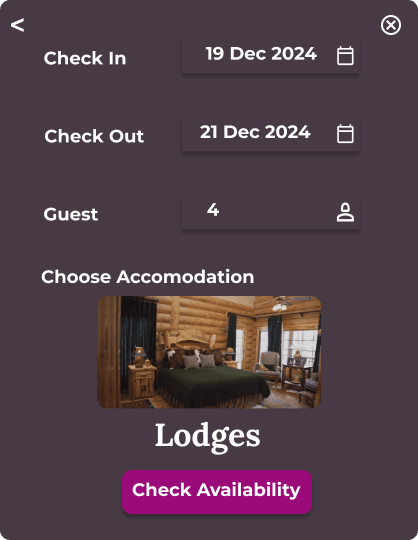
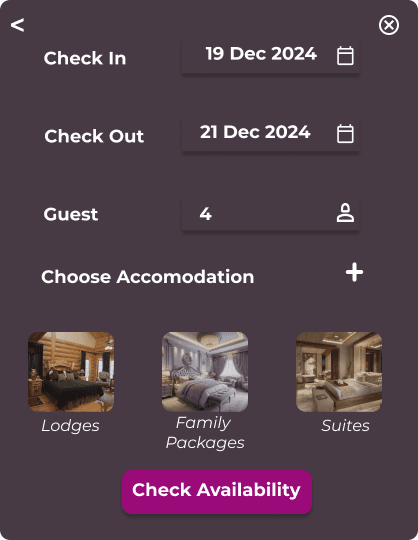
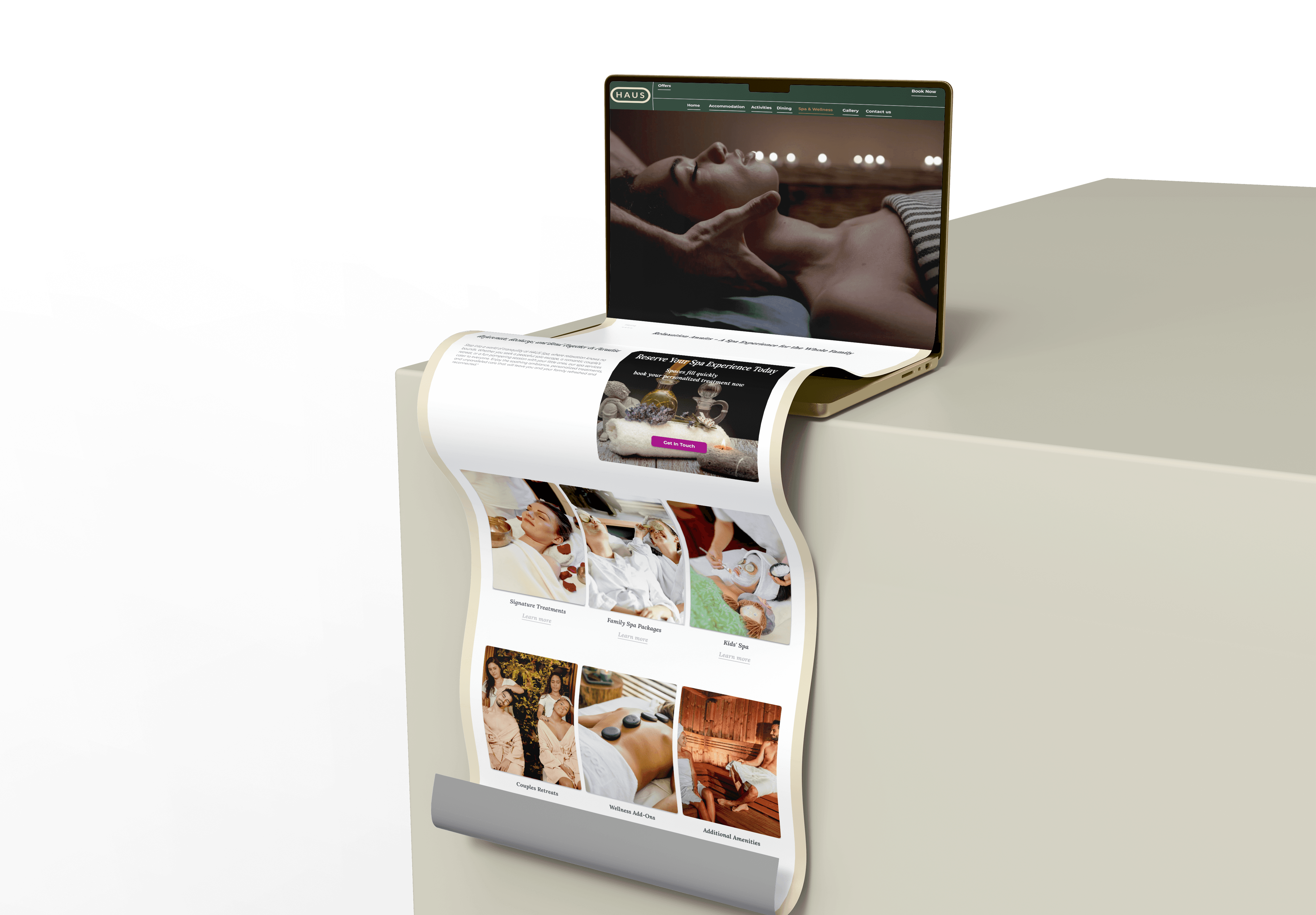
Showcasing relaxation at a glance
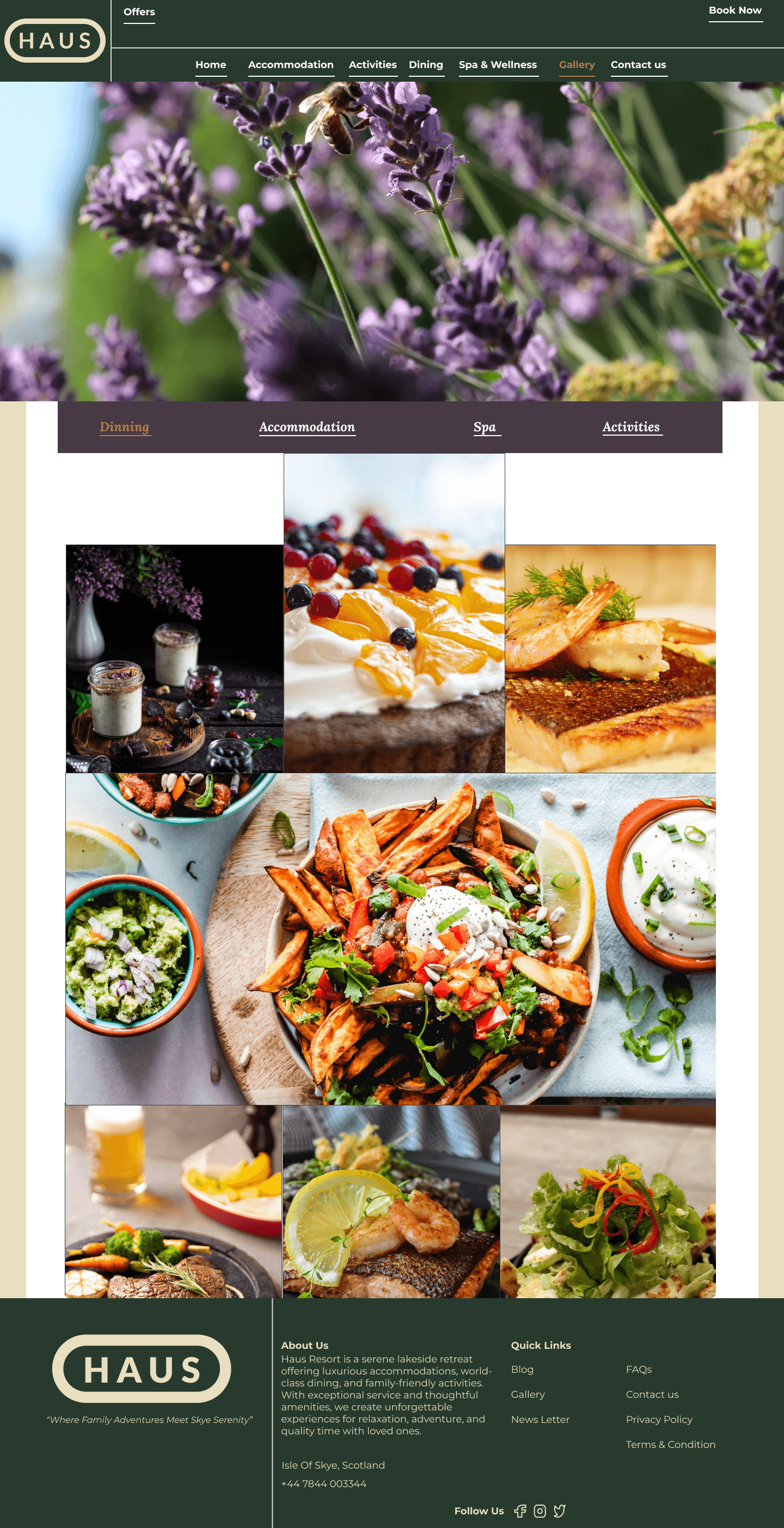
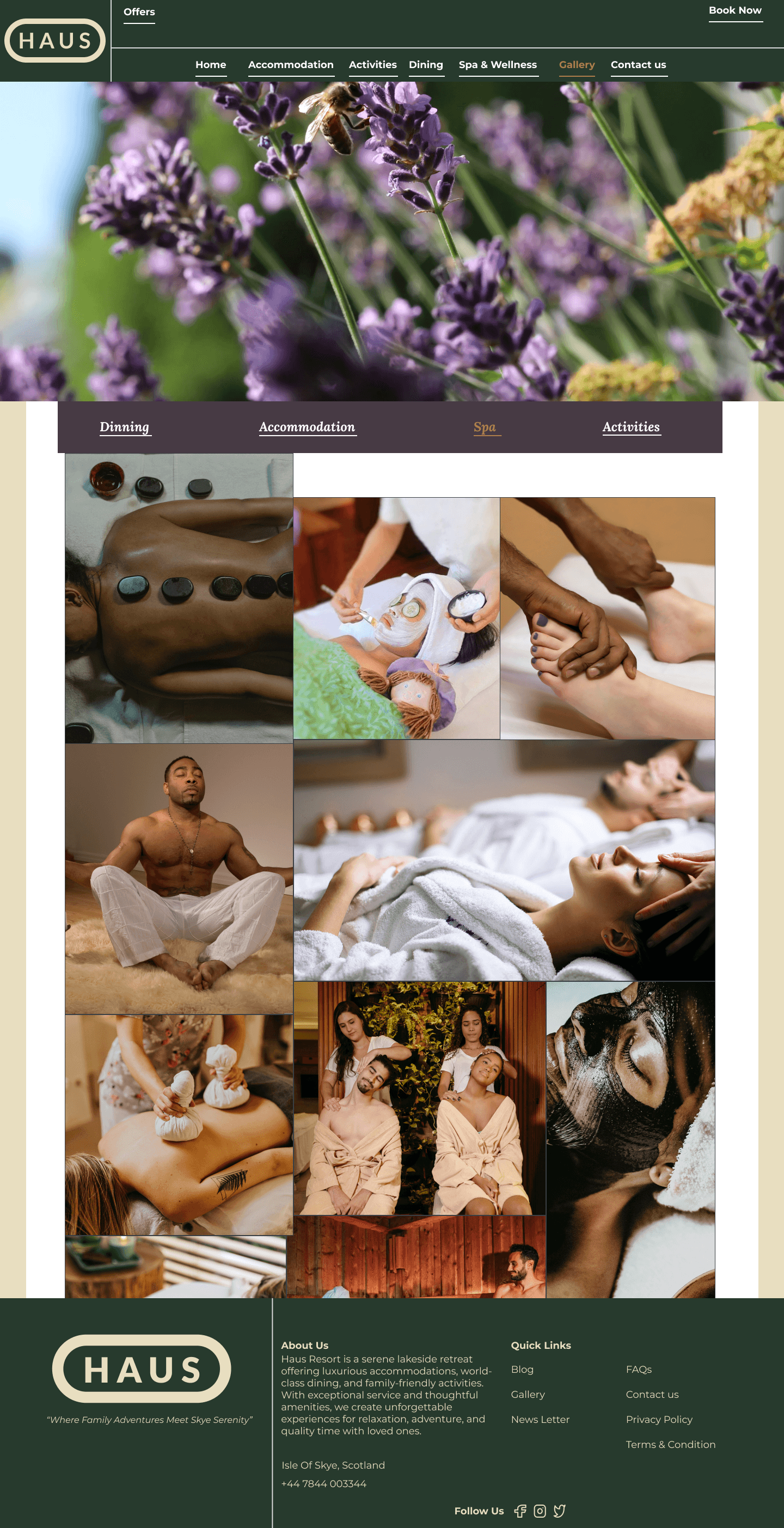
The spa and wellness page highlights treatments with imagery-first layouts. Large visuals, simple descriptions, and easy booking buttons make it effortless for parents to plan a moment of relaxation
Visual Focus:
Full-width imagery
Minimal text with icons
Clear “Book Now” CTA buttons
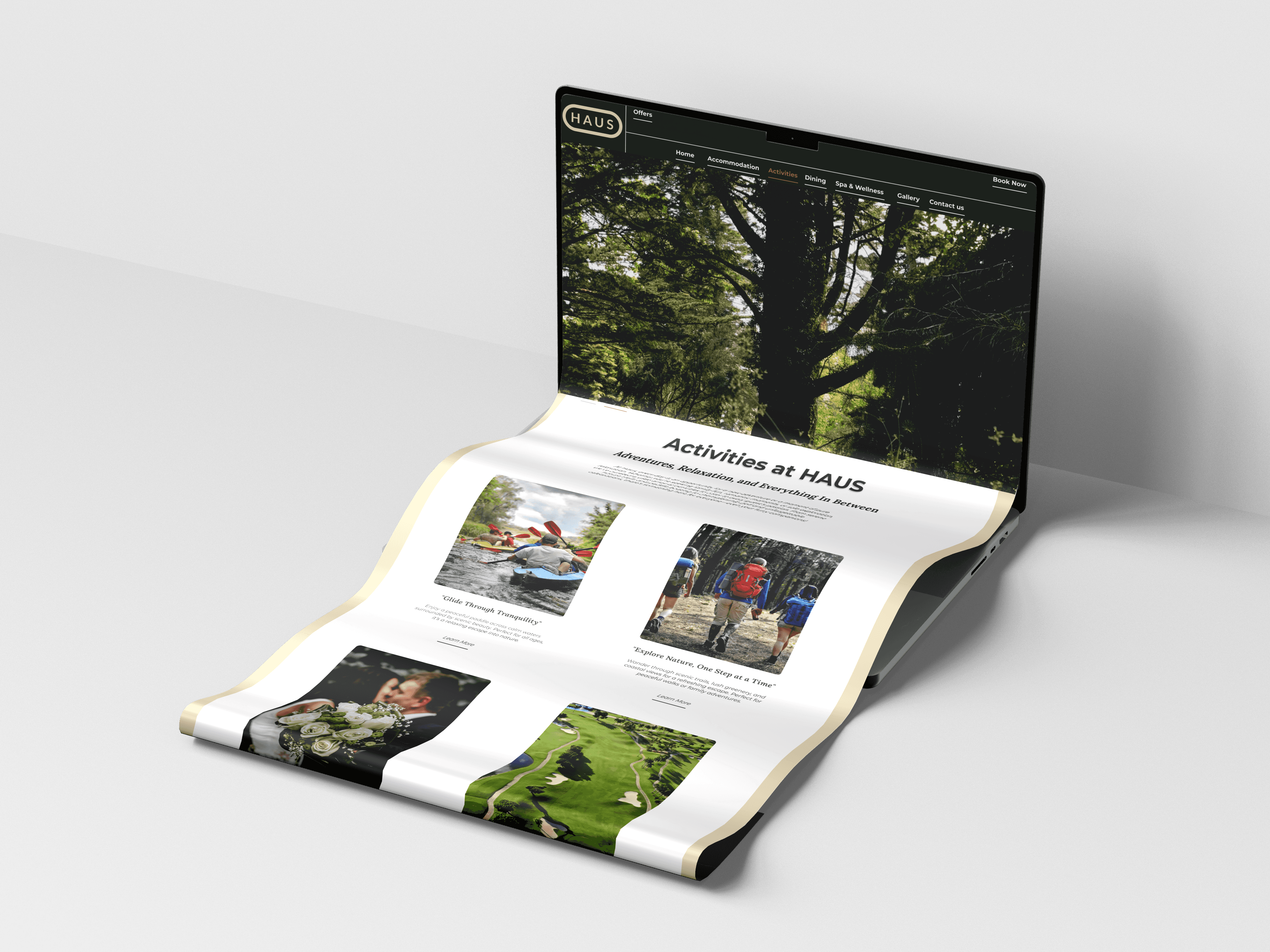
Family fun, simplified
This page presents family-friendly activities using bold photography and short descriptions. Parents can browse, filter, and reserve in just a few clicks, creating excitement while planning.
Visual Focus:
Bright, child-friendly imagery
Grid of activity cards
Hover states for interactivity
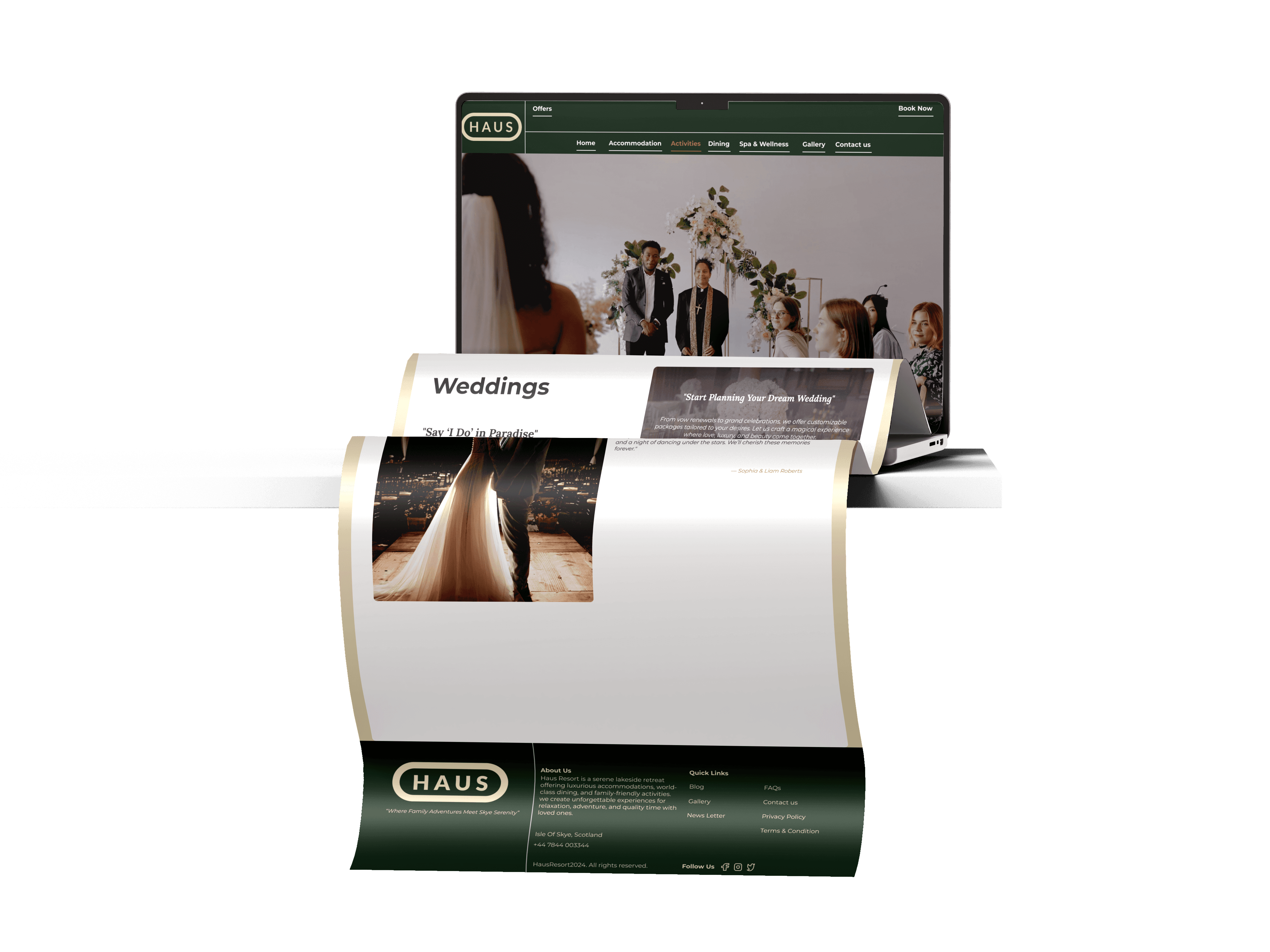
A dedicated space for special moments
For wedding planning, the page features elegant visuals and structured sections for galleries, and enquiries. The design balances romance with clarity, helping couples envision their day while easily contacting the resort.
Visual Focus:
Elegant serif typography accents
Soft pastel tones
Large galleries with minimal chrome
Clear paths for connection
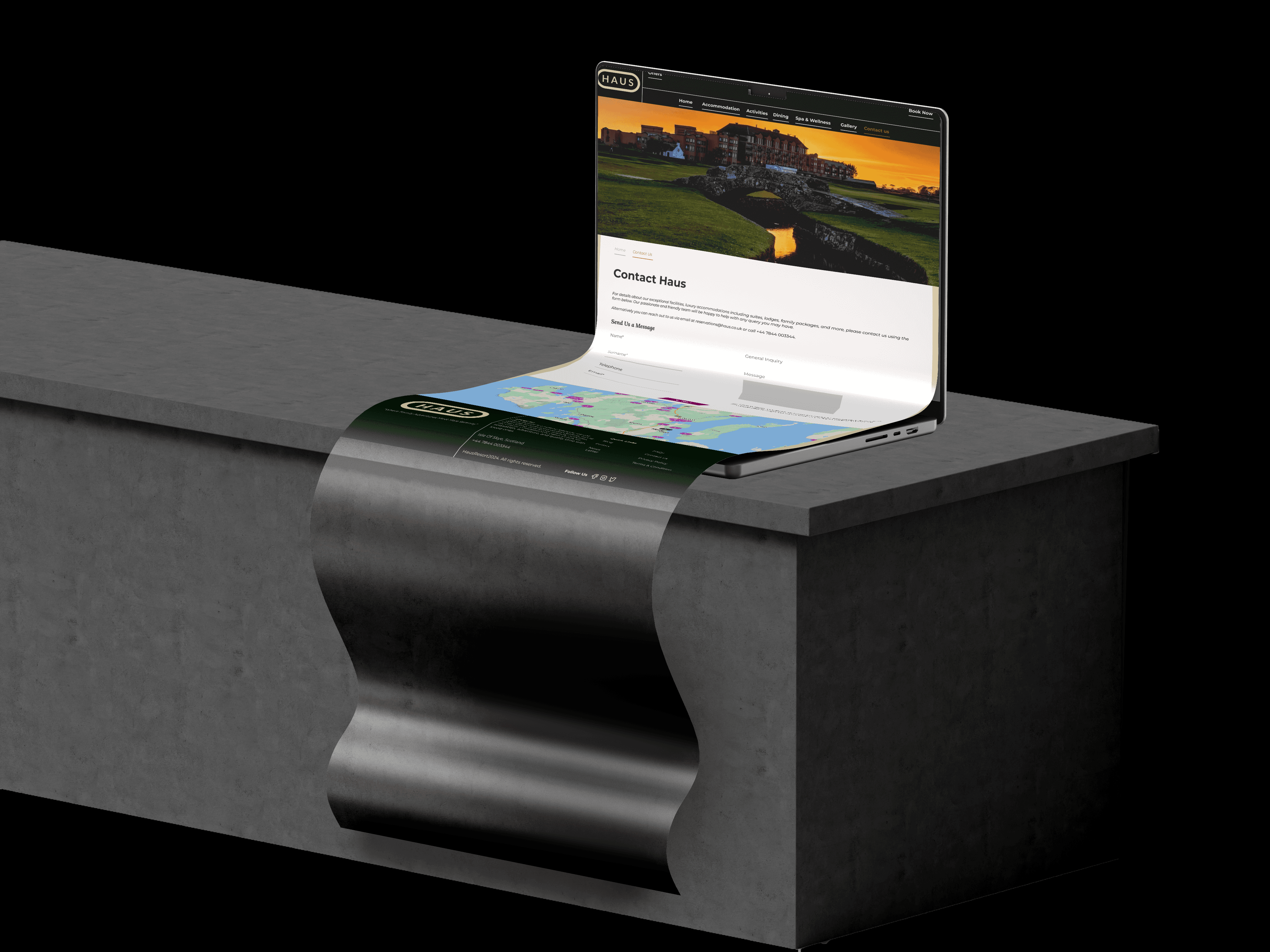
Parents and families often need quick answers. The Contact page centralises phone, email, and location details with a friendly tone and a simple form.
Visual Focus:
Centered form design
Map embed for directions
Accessible labels and contrast
Accessible and Inclusive Interface
Improved color contrast, clear typography, and larger touch areas enhanced readability and usability for diverse age groups.
Scalable Brand Foundation
The design system and modular layout provide a flexible foundation for future expansion — from family resorts to broader hospitality services.
Effortless Exploration
Participants navigated between accommodation, spa, and activity bookings smoothly, describing the prototype as “calm and predictable.”
Working on Haus Resort taught me the value of turning aesthetic ambition into structured clarity. Translating a tranquil resort experience into a functional digital space required constant refinement — from layout hierarchy to the tone of color and typography. Feedback from peers and mentors helped me simplify interactions, focus on accessibility, and maintain emotional consistency across pages.
This project reminded me that visual design is not just decoration but it’s a form of communication that guides, reassures, and connects users to a brand’s essence.
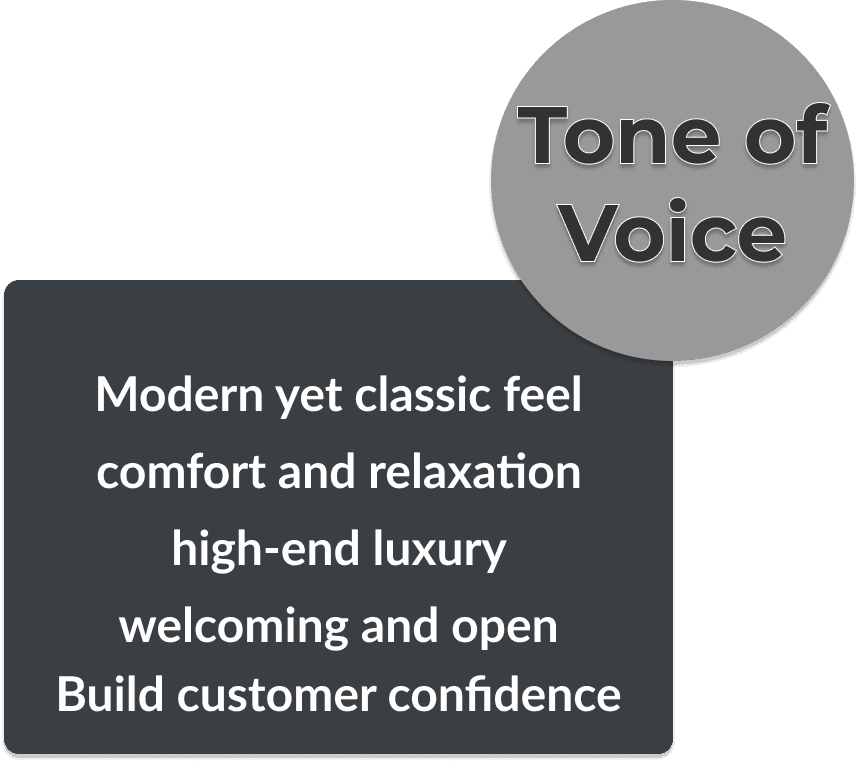
The goal was to create a refined, premium visual identity while still feeling approachable to families. Early design explorations looked too formal or corporate, so I reworked the layout and color palette to add warmth and softness without losing the brand’s elegance.
The Haus Resort brand was inspired by the tranquility of the Isle of Skye. Translating that serenity digitally required movement to prevent the interface from feeling static or dull.
Families wanted to explore accommodations, spa, activities, and weddings — all with different booking logic. Designing a consistent flow across these distinct services demanded clear hierarchy and simplified navigation.